
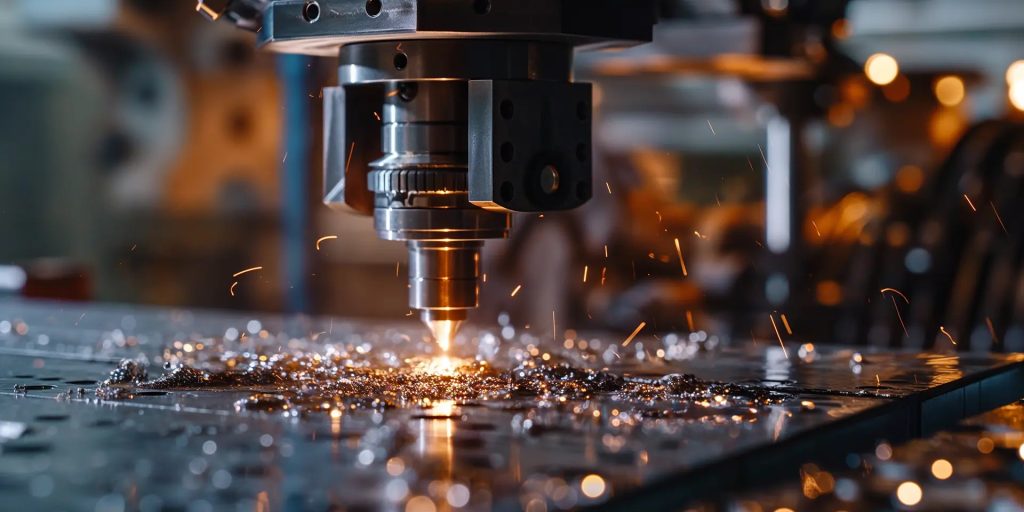
When designing CNC machined parts, the choice of material is often just as important as the design itself. Different materials bring unique strengths, limitations, and costs to the table, and understanding these differences helps ensure your project meets its performance and budget goals.
CNC machining supports a wide range of materials, but in practice, only a handful are used most frequently across industries. These materials have proven to deliver the right balance of machinability, performance, and cost-effectiveness.
In this guide, we'll explore the most common CNC machining materials and how to choose the right one for your application.
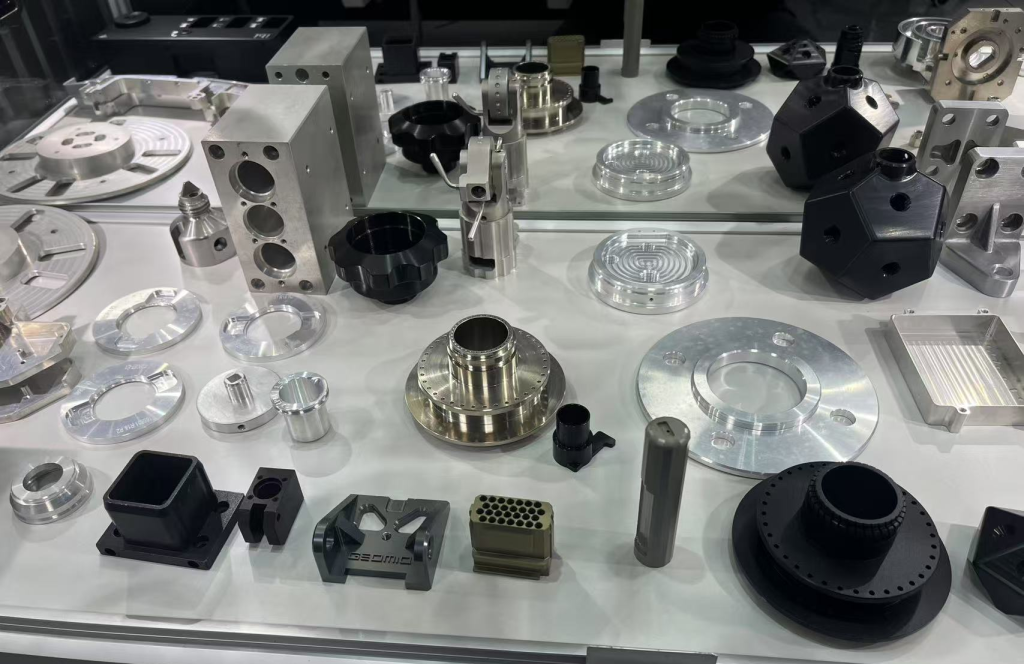
Aluminum Alloys (6061, 7075, 5052/5083)
Aluminum is the single most popular CNC machining material, valued for its light weight, excellent machinability, and broad availability. Among the many aluminum alloys, three stand out for CNC parts:
- 6061 Aluminum: Known as the "all-purpose" aluminum, 6061 offers a solid mix of strength, corrosion resistance, and cost efficiency. It is widely used in aerospace brackets, automotive parts, and consumer products where moderate strength and good surface finish are needed.
- 7075 Aluminum: Much stronger than 6061, 7075 is often chosen for aerospace, defense, and performance equipment. Its trade-off is lower corrosion resistance and higher cost, but when the strength-to-weight ratio is critical, 7075 is often the go-to alloy.
- 5052/5083 Aluminum: These alloys excel in environments where corrosion resistance is essential, such as marine parts, enclosures, and transportation components. While not as strong as 6061 or 7075, they machine well and provide excellent durability against saltwater and chemicals.
Aluminum alloys remain the first choice for many CNC projects because they combine availability, low density, and versatility, making them suitable for both rapid prototyping and production runs.
Stainless & Carbon Steels (304, 316, 1018, 4140)
Steel is another cornerstone of CNC machining, offering high strength, durability, and versatility. Depending on the grade, it can deliver corrosion resistance, cost-effectiveness, or exceptional toughness. The most common steels used in CNC machining fall into two broad categories: stainless steels and carbon steels.
- 304 Stainless Steel: One of the most widely used stainless grades, 304 combines good corrosion resistance with ease of machining. It is commonly found in food equipment, medical devices, and consumer products. While not the strongest option, its balance of cleanliness, durability, and affordability makes it a staple.
- 316 Stainless Steel: Often called "marine grade," 316 offers superior corrosion resistance, especially against chlorides and chemicals. It is used in medical implants, chemical processing equipment, and marine components, where 304 would degrade over time.
- 1018 Carbon Steel: A low-carbon steel known for its cost-effectiveness and machinability. It provides sufficient strength for structural parts and fixtures but is not corrosion resistant, so coatings or plating are often applied.
- 4140 Alloy Steel: Stronger than 1018, 4140 is a chromium-molybdenum steel widely used in automotive, aerospace, and industrial machinery. It balances strength, wear resistance, and toughness, making it ideal for high-stress components such as gears, shafts, and fasteners.
Steel alloys are chosen when strength and wear resistance outweigh weight concerns. Stainless steels suit corrosive environments, while carbon steels provide excellent value and strength for heavy-duty applications.
Brass, Bronze & Copper
If aluminum and steel are the workhorses of CNC machining, then brass, bronze, and copper are more like the specialists. They aren't used everywhere, but when you need their unique properties, nothing else really compares.
- Brass (C360): Known as a "free-cutting" metal, brass is a dream for machinists. It machines quickly, delivers smooth finishes, and requires less tool wear than harder metals. That's why you'll see it in fittings, valves, and decorative parts where both function and appearance matter.
- Bronze: Bronze shines when it comes to wear resistance. It's often used for bushings, bearings, and components that need to move smoothly over long service lives. It's tougher to machine than brass, but its self-lubricating qualities make it ideal for parts that handle constant friction.
- Pure Copper: Copper is unmatched when it comes to electrical and thermal conductivity. It's the go-to choice for heat exchangers, electrodes, and electrical contacts. The challenge? It's soft and gummy, which makes machining more difficult. Still, when conductivity is the priority, copper is unbeatable.
Brass, bronze, and copper aren't the cheapest or easiest options, but when you need conductivity, corrosion resistance, or low-friction movement, they deliver in ways that aluminum or steel simply can't.
Titanium (Grades 2 & 5)
Titanium is famous for being exceptionally strong yet surprisingly lightweight, which makes it a favorite in aerospace, medical, and high-performance applications. However, its very strength is also what makes it challenging to machine. Parts require slower feeds, specialized tooling, and careful heat management to avoid warping or excessive tool wear.
- Grade 2 Titanium: Offers excellent corrosion resistance and moderate strength. It's commonly used for chemical processing equipment, marine components, and some medical applications.
- Grade 5 Titanium (Ti-6Al-4V): Much stronger than Grade 2, it's often the go-to for aerospace, automotive, and other high-stress applications. While its performance is impressive, machining Grade 5 demands more skill and time.
Titanium is significantly more expensive than common metals, and the titanium price fluctuates depending on alloy grade, market demand, and raw material availability. This cost factor, combined with longer machining times, means careful planning is essential to stay within budget. In all, titanium's combination of light weight and strength makes it invaluable for demanding applications, but machinists must account for its difficulty and cost when planning CNC projects.
Plastic Materials for CNC Machining
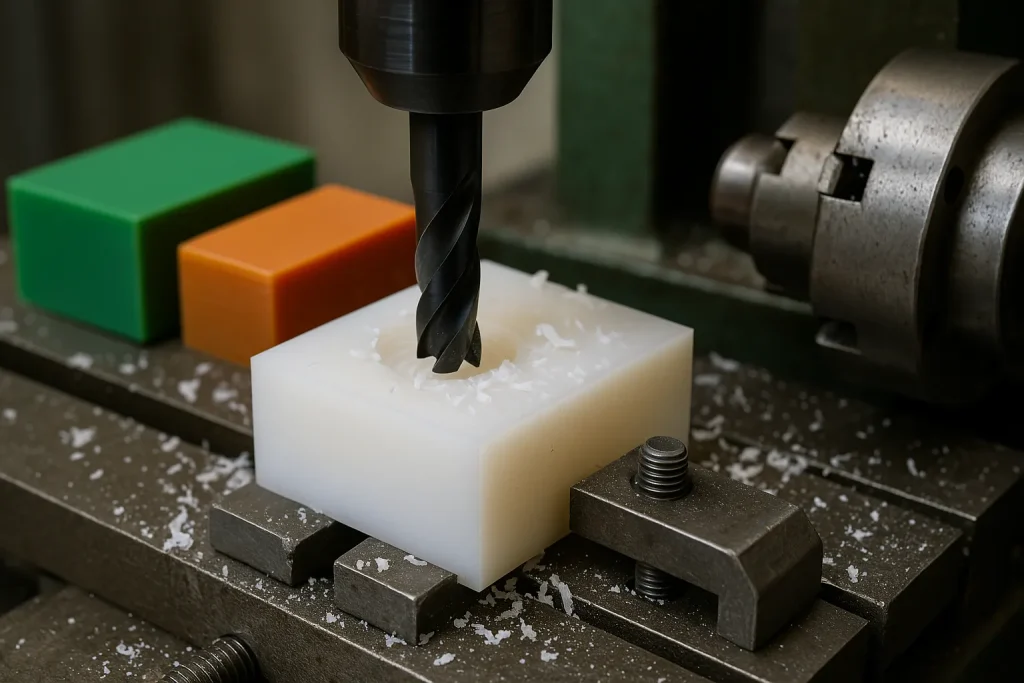
While metals dominate many CNC applications, engineering plastics hold their own in areas where weight, chemical resistance, or electrical insulation matters. They're easier to machine than most metals, often cheaper, and can produce parts with excellent dimensional stability.
- Acetal (POM): Known for its low friction, strength, and wear resistance, acetal is often used for gears, bushings, and precision mechanical parts. It machines cleanly, making it a reliable choice for functional prototypes and production components alike.
- Nylon: Flexible, strong, and slightly self-lubricating, nylon works well for moving parts, spacers, and components exposed to moisture. Care must be taken, though, as it can absorb water and slightly change size in humid environments.
- ABS: Affordable and easy to machine, ABS is ideal for housings, enclosures, and prototypes. While not as heat-resistant as engineering plastics like PEEK, it balances cost and machinability effectively.
- PEEK: A high-performance plastic that withstands heat, chemicals, and wear. PEEK is used in aerospace, medical, and industrial applications where metals might be overkill or where weight reduction is crucial.
- Polycarbonate (PC): Tough, transparent, and impact-resistant, PC is popular for safety covers, display panels, and light housings. It machines well but requires careful handling to avoid cracking or surface scratches.
Plastics provide versatility and cost-effectiveness for CNC projects where metals are unnecessary or too heavy. Choosing the right type depends on the part's mechanical demands, environmental exposure, and desired finish.
Other CNC Machining Materials
Not every project sticks to the usual metals and plastics. In certain industries, specialized materials step in to meet extreme requirements. Here are a few that stand out:
- Inconel – A nickel-based superalloy built for the harshest environments. Inconel keeps its strength at high temperatures, resists corrosion, and handles heavy mechanical stress. It's widely used in aerospace turbines, power generation, and chemical processing.
- Ceramics – Technical ceramics like alumina and zirconia are extremely hard, wear-resistant, and stable at high temperatures. They're used for medical implants, precision nozzles, and insulating components in electronics. However, ceramics are brittle and challenging to machine, requiring diamond tooling or CNC grinding methods rather than conventional CNC milling.
- Acrylic – On the opposite end of the spectrum, acrylic is a lightweight, transparent plastic often chosen for prototypes, display cases, and housings where optical clarity matters. It machines well but can crack or chip if not handled carefully. Compared with engineering plastics like ABS or PEEK, acrylic is less durable but far more cost-effective for visual parts.
These materials aren't everyday choices, but when a part needs extreme heat resistance, optical clarity, or advanced wear performance, Inconel, ceramics, and acrylic fill niches that mainstream metals and plastics cannot.
How to Choose the Right CNC Material?
Selecting a CNC machining material isn't just about availability; it's about how well that material aligns with your part's requirements.
Strength, Weight & Durability
Materials vary widely in their ability to handle stress, impact, and long-term use. Balancing mechanical strength with overall weight ensures the part performs without adding unnecessary mass.
Corrosion & Temperature Resistance
Exposure to moisture, chemicals, or extreme heat can quickly degrade unsuitable materials. Understanding environmental conditions helps narrow down what will remain stable over time.
Machinability & Surface Finish
Some materials cut cleanly and predictably, while others require more tool wear, longer machining time, or additional finishing. Considering machinability early avoids delays and unexpected costs.
Cost & Availability
Even the best-performing material can be impractical if it drives up cost or extends lead time. Evaluating price, supply chain reliability, and local stock helps keep projects feasible.
Sustainability & Recycling
Modern manufacturing increasingly weighs the environmental impact of material choice. Using recyclable metals or eco-friendly plastics not only reduces waste but can also support compliance with sustainability standards and customer expectations.
Get an instant quote from Xmake by uploading your design file today, and enjoy fast, reliable delivery with our expert manufacturing services.
Start a QuoteMaterial Properties That Matter in CNC
Understanding how material properties influence machining and part performance is essential for successful CNC projects. Key factors include:
- Elastic Modulus – Determines how much a material will flex under load. Affects part stiffness and stability during machining.
- Coefficient of Thermal Expansion (CTE) – Materials expand or contract with temperature changes. High CTE can cause dimensional shifts, especially in precision parts.
- Tensile and Yield Strength – Indicate how much stress a material can withstand before deforming or breaking. Critical for load-bearing components.
- Hardness – Influences tool wear, surface finish, and ease of machining. Harder materials require slower feeds and more robust tooling.
- Wear and Abrasion Resistance – Important for parts exposed to friction or repeated contact. Impacts longevity and maintenance needs.
- Chemical and Environmental Stability – Affects resistance to corrosion, UV exposure, or chemical attack, ensuring parts last in their intended environment.
- Surface Finish Capability – Some materials naturally produce smooth finishes, while others may require polishing or post-processing.
- Melting Point – Determines the maximum temperature a material can withstand before deforming or melting, critical for high-heat applications.
- Magnetic Properties – Whether a material is magnetic or not can influence its suitability for electronics, sensors, and specific industrial applications.
Even small differences in material properties can significantly impact machining behavior, tolerances, and part longevity. Evaluating these factors upfront saves time, reduces waste, and improves part performance.
Costs, Lead Times, and Trade-offs
When selecting a CNC machining material, it's not just about performance — costs and availability play a big role. Understanding these factors helps avoid delays and budget overruns.
- Material Costs – Prices vary widely between metals and plastics, as well as within alloys. High-performance materials like titanium or Inconel command premium prices, while common aluminum or mild steels are more budget-friendly. Considering the price or other premium materials early can prevent unexpected project costs.
- Machining Complexity – Difficult-to-machine materials require longer cycles, specialized tooling, and more frequent tool changes, all of which increase overall production cost and time.
- Lead Times & Supply – Stock availability and supply chain factors can affect how quickly parts are delivered. Rare alloys or custom plastics may require longer sourcing times.
- Trade-offs – Balancing cost, strength, machinability, and environmental resistance often means compromises. For instance, a cheaper metal might be easier to machine but less corrosion-resistant, or a lightweight material might reduce durability.
A thorough understanding of costs, machining demands, and material availability helps designers and engineers make informed decisions, ensuring that CNC parts are both functional and economical.
Common CNC Machining Materials Cost Tier
The table below provides a quick reference to help compare common metals and plastics used in CNC machining.
| Material | Machinability | Strength-to-Weight Ratio | Hardness | Wear Resistance | Cost Tier |
|---|---|---|---|---|---|
| 6061-T6 Al | Easy | High | Medium | Good | $ |
| 7075-T6 Al | Medium | Excellent | Medium | Good | $$ |
| 304 SS | Medium | Medium | Medium | Good | $$ |
| 316 SS | Medium | Medium | Medium | Excellent | $$$ |
| 1018 Steel | Medium | Medium | Medium | Fair | $ |
| 1045 Steel | Medium-Hard | Medium | High | Good | $$ |
| C360 Brass | Very Easy | Medium | Medium | Good | $$ |
| Copper 101 | Easy | Low | Low | Fair | $$ |
| Ti-6Al-4V | Hard | Excellent | High | Excellent | $$$ |
| Alloy Steel 4140 | Medium-Hard | High | High | Excellent | $$ |
| Acetal (POM) | Easy | Medium | Medium | Good | $ |
| PEEK | Medium | High | High | Excellent | $$$ |
| Nylon (PA6) | Medium | Medium | Medium | Excellent | $ |
| ABS | Easy | Medium | Low | Fair | $ |
| Polycarbonate (PC) | Medium | Medium | Medium | Good | $$ |
| PTFE (Teflon) | Easy | Low | Low | Excellent | $$ |
| HDPE | Medium | Low | Low | Good | $ |
How to Prepare a Material Spec Sheet?
A material spec sheet is a critical document that communicates your design requirements clearly to the CNC shop. A well-prepared sheet minimizes errors, reduces back-and-forth, and ensures the final part performs as intended. Here's what to include:
- Material Type and Grade – Specify the exact material (e.g., Aluminum 6061-T6, 304 Stainless Steel, PEEK) to avoid ambiguity. Include any necessary certifications if required.
- Mechanical Properties – Outline strength, hardness, and thermal limits so machinists understand how the material behaves.
- Dimensional Requirements – Include critical dimensions, tolerances, and surface finish expectations.
- Environmental Conditions – Indicate whether the part will face moisture, chemicals, or high temperatures.
- STL/3D File References – If the part was designed in CAD, attach STL or STEP files. This ensures the CNC programmer or CAM operator has accurate geometry for toolpath generation.
- CAM Notes – Include any machining instructions, recommended feeds and speeds, or areas that require special attention. This is especially important for challenging materials like titanium or PEEK.
- Post-Processing – Specify finishing requirements such as anodizing, plating, deburring, or polishing.
Tips for Hand-off:
- Label files clearly and provide a version history to prevent mistakes.
- Communicate any known challenges with the material (e.g., gummy plastics, hard metals).
- Include contact information for quick clarification — it saves time if something is unclear.
A thorough material spec sheet, paired with accurate STL or CAD files and CAM guidance, ensures your CNC shop can produce the part efficiently, accurately, and with minimal risk of errors.
Conclusion
Choosing the right CNC machining material is about balancing performance, machinability, cost, and environmental factors. From metals like aluminum, steel, and titanium to plastics and specialized materials, understanding their properties ensures your parts meet design expectations. At Xmake, we provide professional CNC machining services, helping you turn material and design choices into high-quality, functional components efficiently.
Frequently Asked Questions
What materials cannot be CNC machined?
Some materials are too soft, brittle, or unstable to be machined effectively, such as glass, concrete, very soft rubbers, or certain waxes that melt or deform under cutting forces.
What is the hardest material to CNC?
Superalloys like Inconel, hardened steels, and titanium alloys are among the hardest materials to CNC machine. They resist cutting, require specialized tooling, and often slow down production, making them challenging compared to more machinable metals like aluminum or brass.
Which material is used in a CNC machine?
CNC machines themselves are typically made from steel, cast iron, and aluminum, chosen for rigidity, vibration damping, and stability. Components inside the machine may also include bronze or brass bushings and other durable materials to ensure precision and longevity.