
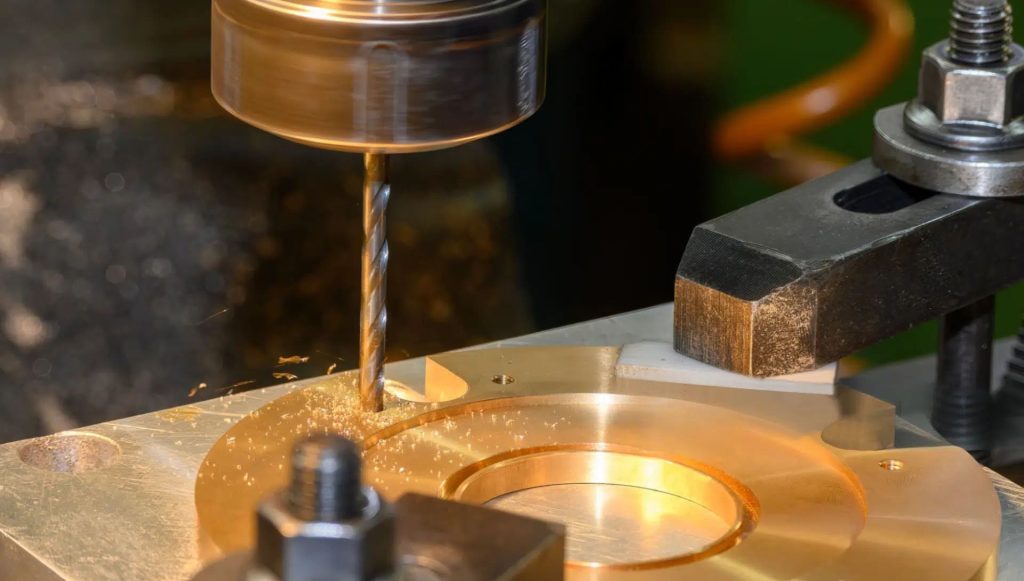
Bronze has been a cornerstone of human innovation for thousands of years, valued for its strength, durability, and versatility. Today, it remains a preferred material in modern CNC machining, offering unmatched performance for a wide range of precision components.
Part 1. Understanding Bronze
Bronze is one of humanity's oldest and most versatile alloys, with a history dating back over 5,000 years to the Bronze Age. During this era, bronze's strength and durability made it ideal for a wide range of tools, weapons, and everyday objects. Some notable examples include:
- Swords, daggers – essential for combat and defense.
- Spears, arrowheads – for hunting and warfare.
- Axes, chisels – used in construction and woodworking.
- Coins, ornaments – early forms of currency and decoration.
- Cooking vessels, utensils – durable cookware for daily life.
Traditionally, it is made by combining copper with tin metal, though modern variations often include small amounts of other metals such as aluminum, phosphorus, or silicon. Its combination of strength, corrosion resistance, and ease of casting has made it a staple in tools, art, machinery, and industrial components throughout history.
Composition and Key Properties of Bronze
The composition of bronze can vary depending on the alloy, but the base element is always copper. Adding tin, aluminum, or other elements alters its mechanical properties and suitability for specific applications. The following table summarizes the key physical properties of standard bronze:
| Property | Typical Value | Description |
| Primary Elements | Copper 88–95%, Tin 5–12% | Base composition; small variations define the alloy type |
| Density | 8.8–8.9 g/cm³ | Relatively heavy metal with good stability |
| Melting Point | 950–1050°C | Dependent on alloy composition |
| Tensile Strength | 200–550 MPa | Indicates the material's resistance to pulling forces |
| Hardness (Brinell) | 60–250 HB | Varies with alloy type; affects wear resistance |
| Thermal Conductivity | 50–60 W/m·K | Good heat dissipation for high-temperature applications |
| Corrosion Resistance | Excellent | Particularly resistant to seawater and oxidizing environments |
| Electrical Conductivity | Moderate | Not as conductive as pure copper, but sufficient for some electrical applications |
These properties make bronze not only historically significant but also highly practical for modern engineering applications, setting the foundation for its use in CNC machining.
Part 2. Types of Bronze Alloys
Bronze is not a single material but a family of copper-based alloys, each tailored with specific elements to optimize strength, corrosion resistance, or machinability. For CNC machining, certain bronze alloys are more commonly used due to their balance of durability and workability. The most frequently machined bronze alloys include C932 Bearing Bronze, C954 Aluminum Bronze, and Phosphor Bronze.
C932 Bearing Bronze (SAE 660)
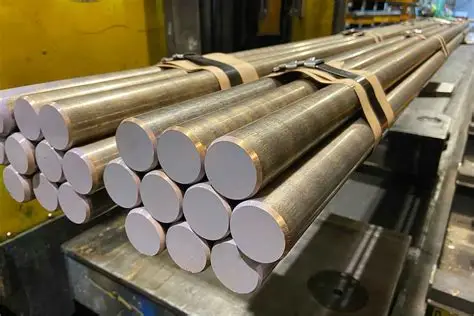
C932 Bearing Bronze, also known as SAE 660, is one of the most popular CNC-machinable bronzes. It contains approximately 83–89% copper, 7–9% tin, and small amounts of lead, which enhances machinability.
Key features:
- Excellent machinability with minimal tool wear.
- Good wear resistance, making it ideal for bearings and bushings.
- Low friction, suitable for components in motion.
Typical applications:
- Bearings and bushings
- Gears and small mechanical parts
- Sleeves and wear plates
C954 Aluminum Bronze
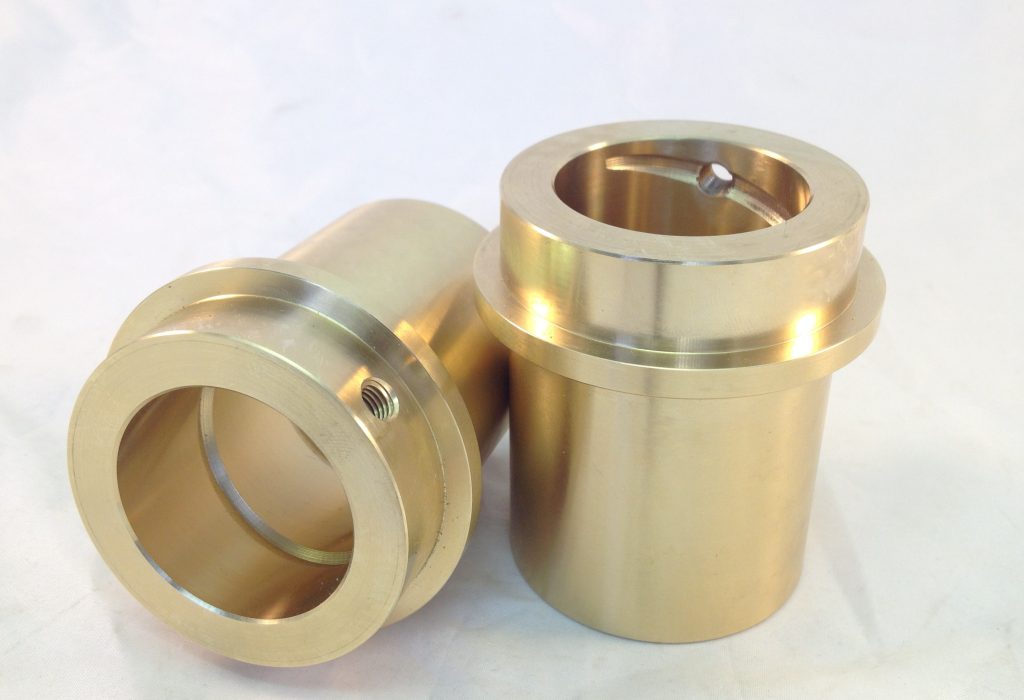
C954 Aluminum Bronze combines copper with aluminum (around 10–11%) and iron, providing higher strength and corrosion resistance compared to standard tin bronzes. While slightly harder to machine, it is often used in applications where durability is critical.
Key features:
- Superior strength and toughness
- Excellent resistance to corrosion, especially in marine environments
- Moderate machinability; requires sharp tools and controlled cutting parameters
Typical applications:
- Marine hardware (propellers, shafts, valves)
- Industrial machinery components
- High-wear structural parts
Phosphor Bronze
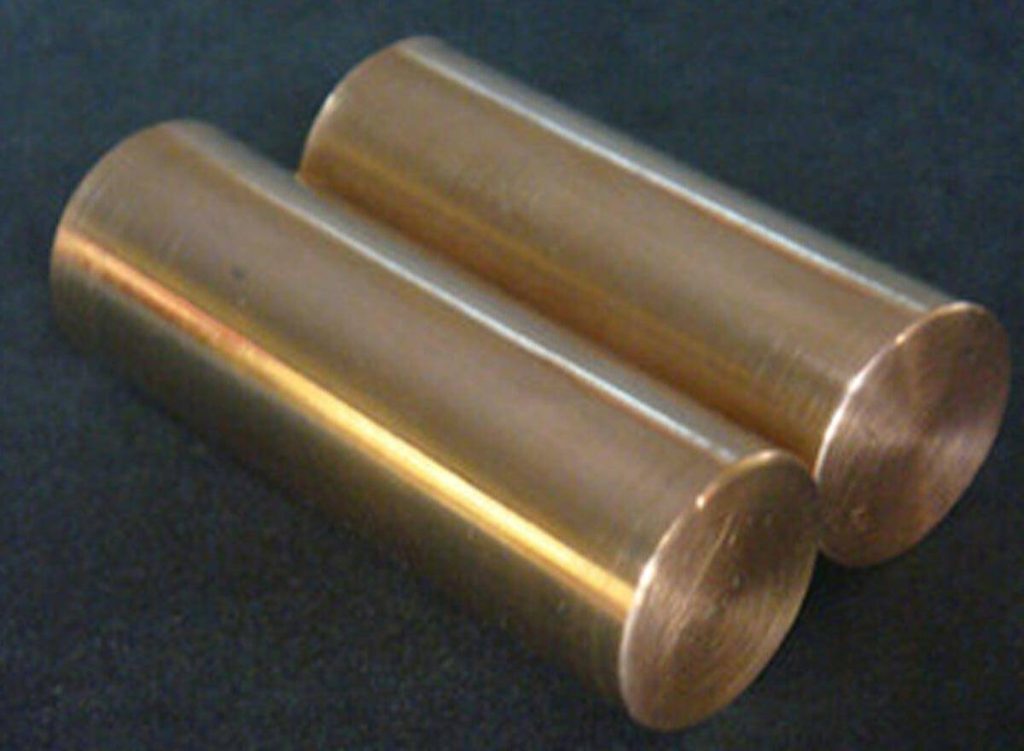
Phosphor Bronze is an alloy of copper, tin (around 5–10%), and phosphorus (0.01–0.35%), which increases stiffness and wear resistance. It is valued for its spring-like qualities and excellent fatigue resistance.
Key features:
- High corrosion and wear resistance
- Good elasticity and fatigue strength
- Machinable with proper tool selection and speeds
Typical applications:
- Springs and clips
- Electrical connectors and switches
- Bearings and bushings where elasticity is required
Key Differences and Applications
| Property | C932 Bearing Bronze (SAE 660) | C954 Aluminum Bronze | C510 Phosphor Bronze (Half Hard / H02 temper) |
|---|---|---|---|
| Composition (Typical) | 83% Cu, 7% Sn, 7% Pb, 3% Zn | 85% Cu, 11% Al, 4% Fe | 95% Cu, 5% Sn, 0.2% P |
| Machinability Rating (Free-cutting brass = 100) | 70 / Excellent | 60 / Moderate | 20 / Good (for wrought alloys) |
| Tensile Strength (Typical, ksi) | 35 | 85 | 68–75 |
| Yield Strength (Typical, ksi) | 20 (0.5% extension) | 32–35 | 55–65 |
| Elongation (%) | 10–20 | 12–16 | 25–28 |
| Brinell Hardness (Typical) | ~65 (500 kg load) | ~170 (3000 kg load) | ~140–180 (Rockwell B ~80–85 equiv.) |
| Corrosion Resistance | Good (good in brackish water, industrial chemicals; fair in seawater) | Excellent (superior in seawater, acids, marine) | Excellent (salt water, atmosphere, fresh water) |
| Wear Resistance | High (excellent anti-friction due to lead; self-lubricating) | Very High (high abrasion resistance) | Medium to Good (good fatigue and low friction) |
| Density (lb/in³) | 0.322 | 0.269 | 0.320 |
| Common Uses | Bearings, bushings, gears, pump parts, washers | Marine hardware, valves, pumps, high-wear gears/bushings | Springs, electrical connectors, fasteners, elastic bearings |
| Other Notable Features | Excellent lubricity and tolerance to poor lubrication; not heat-treatable | Heat-treatable (can reach ~95–110 ksi tensile); high compressive strength | Outstanding fatigue resistance and spring qualities; good electrical/thermal conductivity; excellent formability |
These CNC-machinable bronze alloys offer a variety of options depending on the demands of the component. Selecting the right alloy is the first step toward achieving precision and durability in CNC-machined bronze components.
Part 3. Advantages of CNC Machining Bronze
Bronze stands out as a CNC machining material because it combines durability, workability, and performance in demanding conditions. Manufacturers often choose bronze when components need to withstand wear, resist corrosion, and operate reliably over time.
Wear Resistance
Bronze has excellent resistance to wear, making it a reliable choice for parts that are in constant contact with moving surfaces. This property extends the lifespan of components such as bushings, bearings, and gears, reducing the need for frequent replacements and keeping CNC machines running smoothly.
Corrosion Resistance
Unlike many other metals, bronze performs exceptionally well in harsh environments, including marine and industrial settings. Its natural resistance to seawater and oxidation makes it ideal for components like valves, propellers, and pumps that must endure constant exposure to moisture and chemicals.
Low Friction
One of bronze's most valuable traits is its naturally low coefficient of friction. This allows CNC-machined bronze parts to operate smoothly without excessive lubrication, preventing overheating and reducing wear on mating parts. It's a key reason bronze is so widely used for sliding or rotating elements.
Thermal Properties
Bronze offers good thermal conductivity, meaning it can efficiently transfer and dissipate heat. This property is particularly useful in applications where parts are exposed to high operating temperatures, as it helps maintain performance and stability without deformation.
Get an instant quote from Xmake by uploading your design file today, and enjoy fast, reliable delivery with our expert manufacturing services.
Start a QuotePart 4. Disadvantages of CNC Machining Bronze
While bronze offers many advantages, it is not without its challenges in CNC machining. Understanding these drawbacks helps engineers and manufacturers plan their processes more effectively and avoid costly mistakes.
Tool Wear
Some bronze alloys, especially aluminum bronze, are tougher on cutting tools compared to softer metals. This can lead to faster tool wear, requiring more frequent replacements or maintenance to ensure machining accuracy.
Chip Formation
Bronze does not always break into neat, short chips. Certain alloys tend to produce long, stringy chips that can wrap around tools or workpieces, interrupting the machining process and slowing production if not managed properly.
Dimensional Control
Because of bronze's combination of hardness and toughness, maintaining very tight tolerances can sometimes be more difficult than with softer materials. This means operators need to pay extra attention to cutting speeds, feeds, and tool conditions.
Higher Material Cost
Compared to common metals like steel or aluminum, bronze is generally more expensive. For projects where cost efficiency is a top priority, this can be a limiting factor unless the application specifically requires bronze's unique properties.
Part 5. CNC Machining Process for Bronze
CNC machining bronze requires a thoughtful approach to bring out the best qualities of the alloy while minimizing challenges. From preparing the workpiece to selecting the right tools, every step plays a role in achieving precise, durable components.
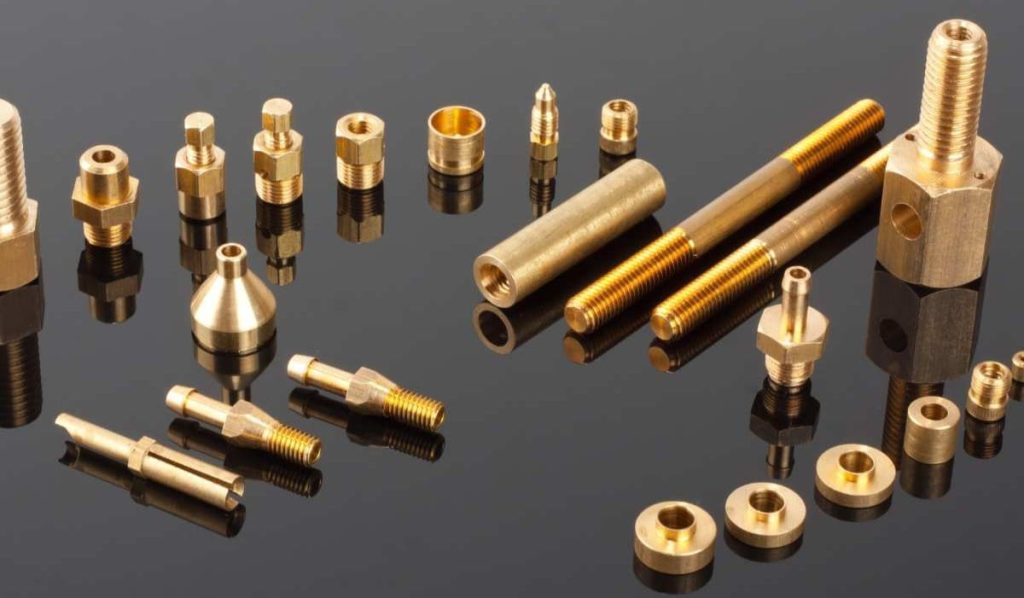
CNC Machining Techniques
Before machining, bronze stock is usually cut and inspected to ensure consistency in size and quality. Once prepared, several CNC methods can be applied depending on the part design:
- CNC Milling – Used for shaping flat surfaces, slots, and complex geometries. Ideal for components like gears and housings.
- CNC Turning – Commonly applied to cylindrical parts such as bushings, bearings, and shafts.
- CNC Drilling – For creating clean, accurate holes in bronze, often followed by tapping for threads.
- CNC Boring – Ensures precise internal diameters, important for sleeves and valve components.
- CNC Grinding – Sometimes used as a finishing process to achieve tight tolerances and smooth surfaces.
Tool Selection
Bronze is generally machinable, but tool choice can significantly affect efficiency and finish:
- Carbide tools are recommended for harder bronzes (e.g., aluminum bronze), as they resist wear better.
- High-speed steel (HSS) tools can be effective for softer bronzes like C932.
- Use sharp cutting edges to reduce heat buildup and prevent surface tearing.
- Applying coolant or cutting fluid helps with chip control and prolongs tool life.
Maintaining Precision
To achieve consistent accuracy when machining bronze:
- Maintain stable cutting speeds and feeds to avoid dimensional shifts.
- Use proper fixturing to minimize vibration, which can affect surface finish.
- Regularly inspect tools for wear, since dull edges can cause tolerance errors.
- For tight-tolerance parts, consider a finishing pass at reduced feed rates to ensure the best possible accuracy.
Part 6. Applications of CNC Machined Bronze Parts
Bronze has earned a lasting reputation in engineering thanks to its ability to perform under demanding conditions. CNC machining makes it possible to produce bronze parts with precision and consistency, which is especially important in industries where reliability is critical.
One of the most common uses is in components that experience constant motion. Bronze's natural wear resistance and low friction make it an ideal choice for these applications, helping reduce downtime and extend equipment life.
Another area where bronze excels is in environments exposed to moisture, salt, or chemicals. Its corrosion resistance ensures that machined parts can endure harsh marine or industrial conditions without losing their integrity.
Examples of CNC-machined bronze parts include:
- BearingsÂ
- bushings
- GearsÂ
- sprockets
- Pump and valve components
- Marine propellers
- shafts
- Electrical connectors
- springs
Because of its versatility, bronze is found everywhere, from heavy industrial machines and ships to precision instruments and electrical systems. CNC machining brings out the full potential of this material, ensuring each part performs exactly as intended.
Conclusion
Bronze has proven itself as a material that combines strength, durability, and versatility, making it an excellent choice for CNC machining. From bearings and gears to marine and industrial components, its unique properties ensure reliable performance across countless applications.
Xmake offers the best online CNC service for machining bronze, delivering high-quality parts tailored to your exact requirements.
FAQs about CNC Machining Bronze
Why is bronze no longer used?
Bronze is still widely used, but its dominance declined because tin is relatively rare and costly. Cheaper and more abundant materials like steel and aluminum replaced it in many industries. However, bronze continues to be valued where wear resistance, low friction, and corrosion protection are critical.
Is bronze better than brass for CNC machining?
Yes, in most cases. Bronze generally offers better strength, wear resistance, and corrosion resistance compared to brass, making it more suitable for high-performance CNC-machined parts. Brass, however, is easier to machine and more cost-effective for decorative or low-stress applications.
Can CNC cut bronze?
Absolutely. CNC machining can cut, mill, turn, and drill bronze effectively, provided the right tools and speeds are used to handle its toughness.
How machinable is bronze?
Bronze is considered highly machinable compared to many alloys. Leaded bronze grades like C932 machine smoothly, while harder bronzes (like aluminum bronze) may require more robust tooling and slower cutting speeds.