
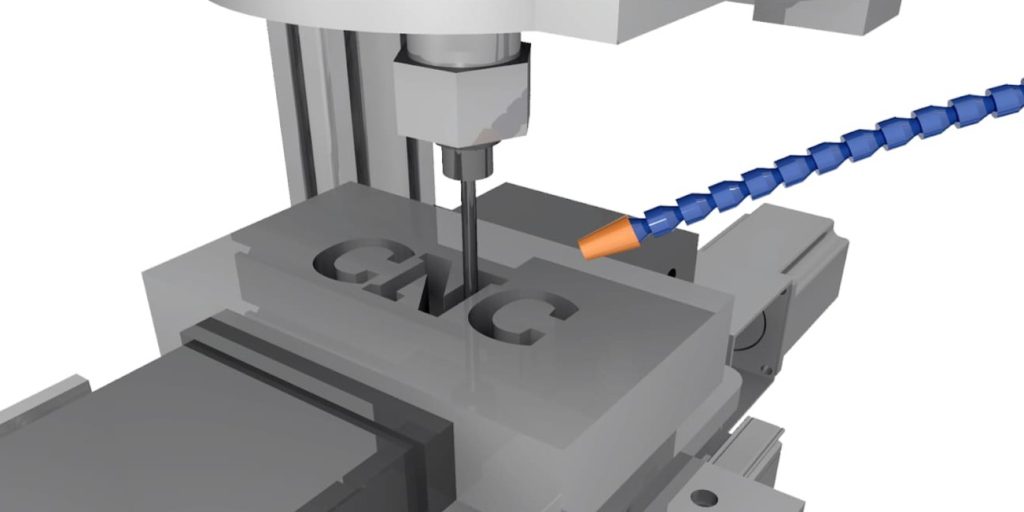
When you need to make a perfectly round hole, whether it’s in a piece of wood for a DIY project or a solid block of aluminum for an aircraft part, the drill machine is the tool for the job. But what is a drill machine, and how does this seemingly simple tool operate with such precision? Let's dive into the world of drilling, from the basic hand-held tools to the complex, automated systems found in today’s factories.
What is a Drill Machine?
At its core, a drill machine is a tool designed to create circular holes in various materials. It accomplishes this by rapidly spinning a specialized cutting tool, the drill bit, into the workpiece. The process might seem straightforward, but it’s a perfect blend of rotational force and downward pressure.
While a basic drill might seem simple, a more advanced power drill is a marvel of engineering, featuring a number of parts that work in perfect harmony. Key Components of a Drill Machine:
- The Motor: The heart of any power drill, the motor converts electrical energy into rotational motion.
- The Chuck: This is the adjustable clamp that securely holds the drill bit, either with a special key or by hand in modern keyless designs.
- The Gear Train: A system of gears that multiplies the motor’s torque for tougher materials or increases the rotational speed for softer ones.
- The Handle/Body: The housing that contains the internal components and provides the user with an ergonomic grip.
- The Trigger/Switch: A variable-speed switch that controls the motor’s speed based on how hard it is pressed.
- The Clutch: A safety feature that disengages the chuck once a certain torque is reached, preventing you from over-driving screws or damaging the material.
- The Depth Gauge: An adjustable rod that acts as a physical stop to ensure you drill holes of a consistent, uniform depth.
How Does a Drill Machine Work?
The magic of a drill machine lies in its ability to convert one type of energy into another. For most power drills, an electric motor (either powered by a cord or a battery pack) converts electrical energy into rapid rotational mechanical motion.
This motion is then transferred to the chuck, where the drill bit is held. But a spinning bit alone won’t get the job done. The user (or the machine itself) must apply a steady downward force, known as axial pressure. This pressure forces the cutting edges of the drill bit into the material, allowing the rotational motion to shear away a perfectly circular piece.
To make this process easier to understand, here are the general steps a drill machine follows to create a hole, from preparation to completion:
- Preparation and Alignment: The process begins with securing both the drill bit and the workpiece. The correct bit is inserted into the chuck and tightened. For a handheld drill, the user must visually align the bit with the desired mark on the material. For a drill press milling machine, the workpiece is clamped firmly to the table to prevent movement.
- Activating the Power: The user presses the trigger or a switch, and the motor begins to spin. The trigger’s variable speed allows the user to start slowly, which is essential for a clean, accurate beginning and to prevent the bit from “walking” on the surface. For a CNC drilling machine, this step is automated by the computer program.
- Applying Axial Pressure: With the bit spinning, the user applies steady, consistent downward pressure. This pressure, or feed force, is what pushes the cutting edges into the material. Without sufficient pressure, the bit will simply rub the surface, generating heat and dulling the cutting edge.
- The Cutting Action: As the spinning bit and downward pressure work in concert, the cutting edges of the flutes shear away material, which is then lifted out of the hole by the spirals on the bit. This process continues until the desired depth is reached.
- Reversal and Retraction: Once the hole is complete, the user releases the trigger and withdraws the drill bit from the hole. In many drills, a reverse function can be used to help unscrew the bit from the material, especially with screws or stubborn bits. For automated systems like CNC drilling machines, the drill bit is automatically retracted in a clean, programmed motion.
Types of Drill Machines
Understanding the differences is key to picking the right tool for your job.
Handheld Drills
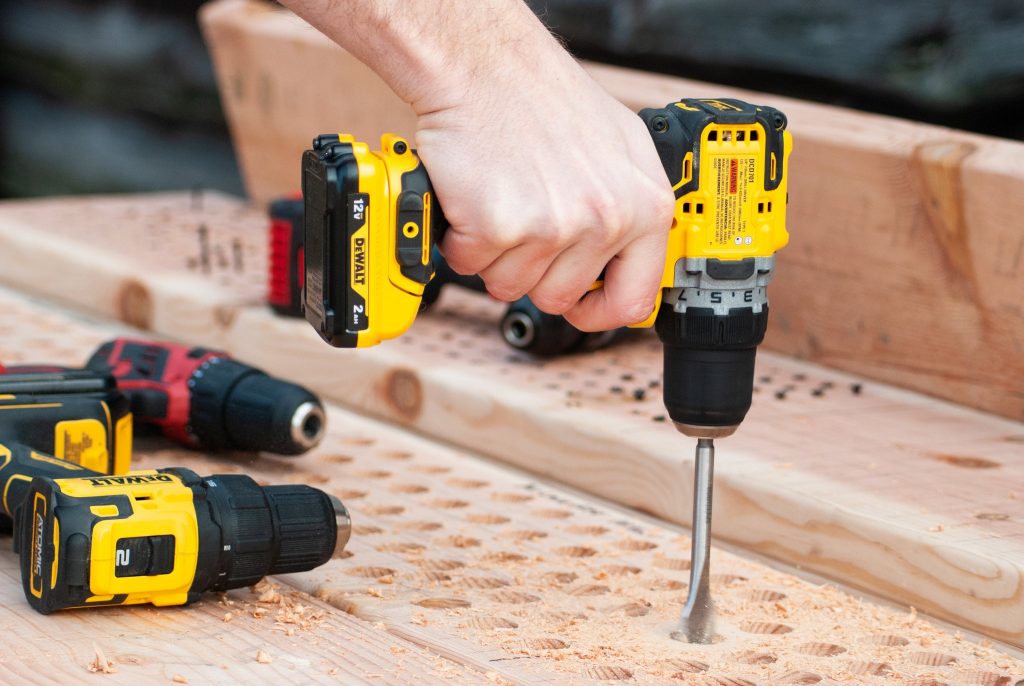
These are the most common and versatile drills, ubiquitous in home workshops and construction sites. They are valued for their portability and ease of use. Handheld drills come in two main varieties: corded and cordless. Corded models offer a continuous supply of high power, making them ideal for heavy-duty tasks or jobs that require extended use without interruption. Cordless models, powered by rechargeable batteries, provide unmatched mobility, allowing you to work in tight spaces or locations without a power outlet.
- Hammer Drills
A hammer drill is a type of handheld power drill specifically designed to handle more difficult materials like brick, concrete, and block. It adds a rapid, forward-and-backward hammering motion on top of the rotational spin. This percussive action is created by two ratcheting plates that click together as the chuck rotates, chipping away at the material as the bit spins. A hammer drill is an excellent choice for light to medium-duty masonry work, such as mounting fixtures to a brick wall or drilling small holes for anchors.
- Impact Drivers
An impact driver is an essential tool for driving screws and other fasteners. It is not a drill in the traditional sense, as it is not designed for drilling holes. Unlike a standard drill, an impact driver delivers quick, rotational blows—or “impacts”—that dramatically increase torque without increasing the rotational speed. This allows it to drive long screws into dense wood or metal with very little effort and no risk of stripping the screw head. They are a must-have for jobs involving a lot of fastening, like deck building or installing cabinets.
Drill Press
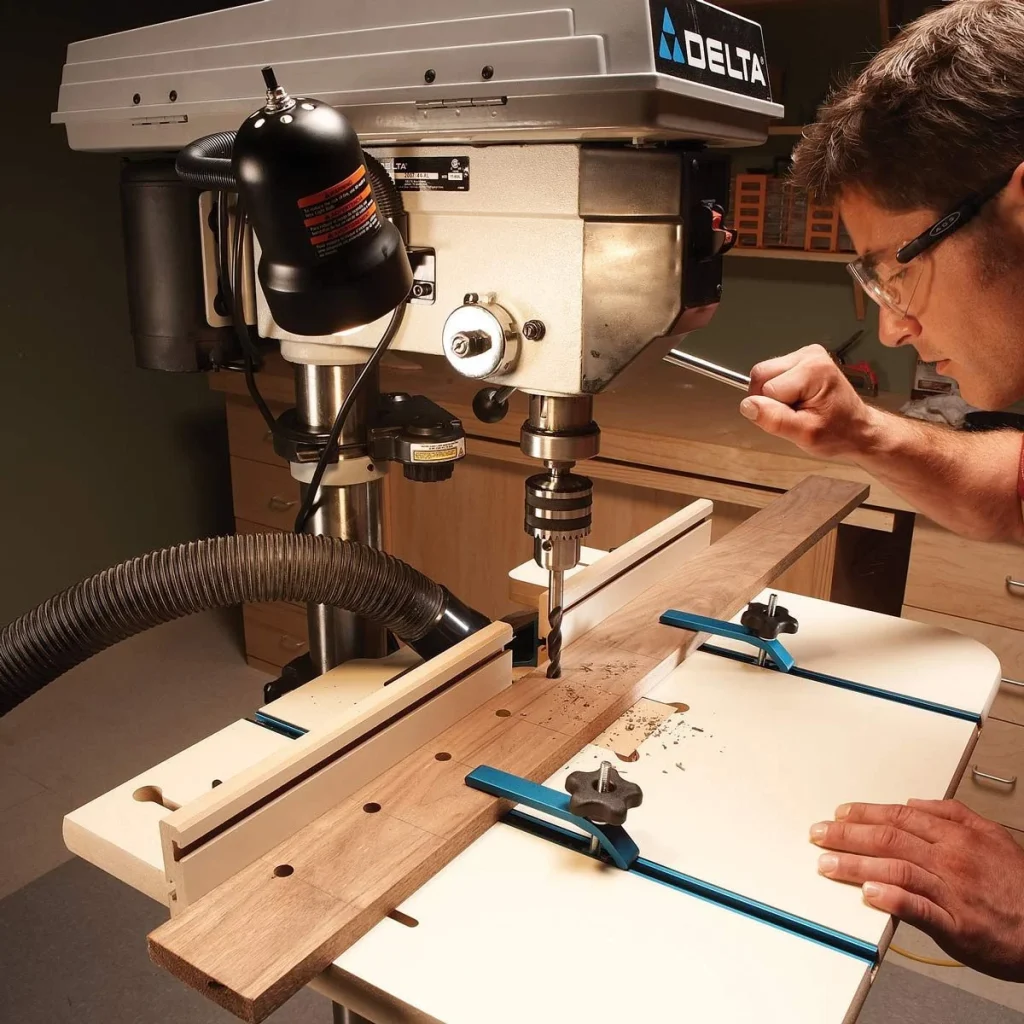
A drill press is a stationary, stand-mounted drill machine that offers stability and superior precision. Unlike a handheld drill, it is designed for a fixed location and uses a column to hold the drill head over a secure table. The workpiece is clamped to the table, and the user lowers the spinning drill bit with a lever, ensuring that the hole is drilled at a precise, perpendicular angle every time. The consistency and accuracy of a drill press make it an essential tool for serious woodworkers, machinists, and anyone needing to drill a large number of identical holes.
Multiple-Spindle Drill Machine
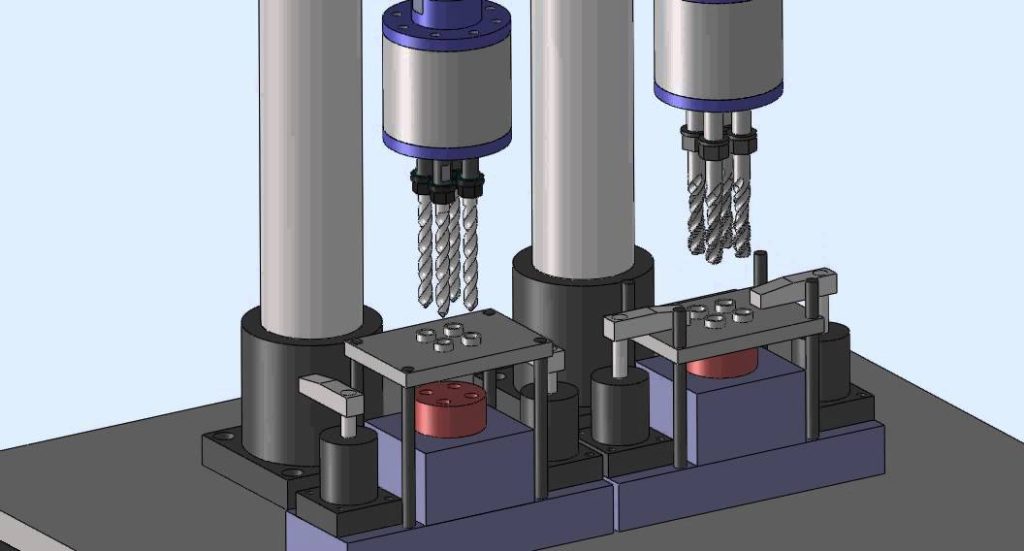
This machine is a marvel of efficiency, capable of drilling multiple holes simultaneously. The machine’s head holds several spindles, each with a drill bit, and all bits are lowered at the same time to drill multiple holes in a single pass. This dramatically reduces production time for parts that require several holes, making it indispensable in large-scale manufacturing for products like engine blocks or furniture components.
Deep-Hole Drilling Machine
Also known as a gun drilling machine, this specialized tool is designed to create extremely long, straight, and precise holes. These holes are often very narrow and can extend deep into the material, sometimes through the entire length of the workpiece. They are essential in industries like aerospace and defense for creating holes in parts like rifle barrels, medical instruments, and hydraulic components.
CNC Drilling Machine
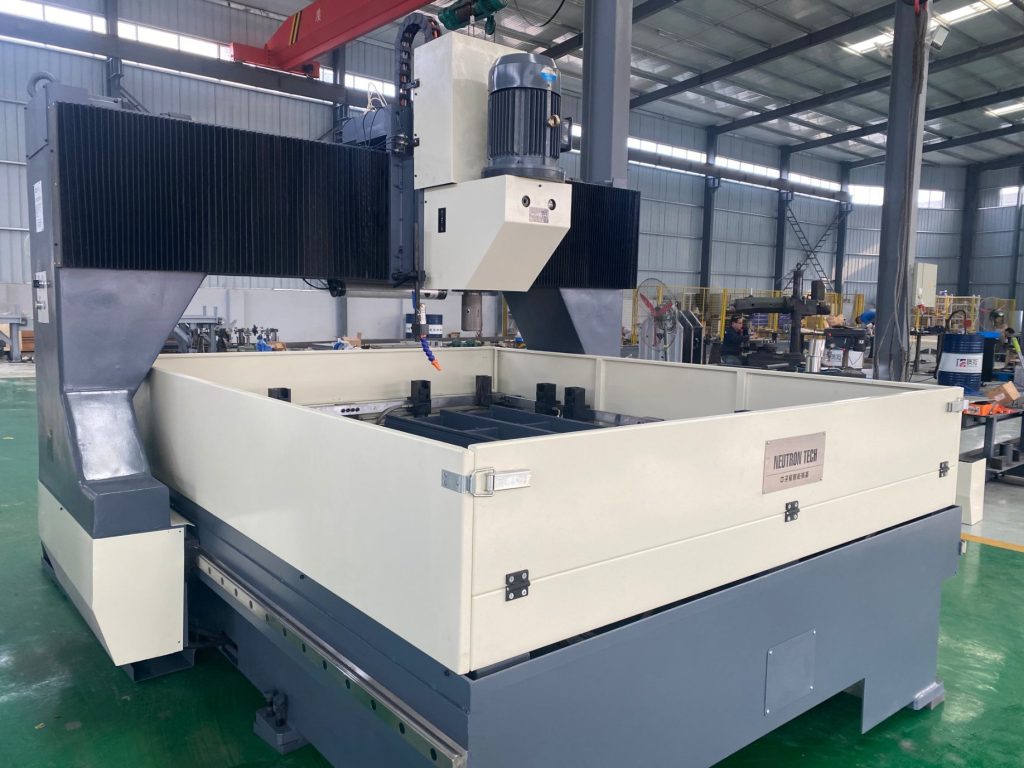
In modern manufacturing, where precision is paramount and production runs in the thousands, manual drilling is often replaced by automation. This is where the CNC drilling machine and other CNC drilling machines come in. CNC stands for Computer Numerical Control. In simple terms, it means the machine is controlled by a computer program rather than by a human operator. A programmer uses CAD (Computer-Aided Design) software to design the part and then writes a program that directs the drill machine's movements. This level of automation offers incredible advantages: unparalleled precision, repeatability, and speed.
How to DIY Projects with a Drill Machine?
The drill machine is an indispensable tool across a wide range of fields. While DIY projects are a common use, the true power and versatility of drilling technology are seen in large-scale professional and industrial applications.
Construction & Woodworking
From framing a new house to building custom cabinetry, drills are fundamental. They are used to create pilot holes to prevent wood from splitting, to drive screws for assembly, and to bore large holes for wiring and pipes. In professional woodworking, a drill press ensures perfectly perpendicular holes for joinery, while a handheld drill is used for on-site assembly and repair.
Metalworking
In machine shops and fabrication facilities, drills are used to create holes for bolts, threads, and other fasteners in various metals, including steel, aluminum, and brass. The choice of drill and drill bit is critical for success. For example, a CNC drilling machine is used to create precise holes in a single piece of a complex part, such as a mold for plastic injection molding or a turbine blade.
Electronics
Precision is paramount in the electronics industry. Micro-drilling is essential for creating the incredibly small holes in Printed Circuit Boards (PCBs) that allow electronic components to be mounted and interconnected. These tasks are almost exclusively performed by automated CNC drilling machines, which can drill thousands of holes with sub-millimeter accuracy in a single run.
Aerospace & Defense
The aerospace industry demands components with the highest level of precision and durability. Deep-hole drilling machines are crucial for creating long, straight holes in landing gear and airframe components. In addition, CNC drilling machines are used to create mounting points for engine parts and to precisely bore out holes for hydraulic lines in aircraft.
Medical Devices
In the medical field, the creation of surgical instruments, orthopedic implants, and diagnostic equipment requires impeccable precision and consistency. For example, a CNC drill machine is used to create tiny, flawless holes in titanium bone screws or to bore out specific channels in surgical tools, where even a slight error could have severe consequences.
Get an instant quote from Xmake by uploading your design file today, and enjoy fast, reliable delivery with our expert manufacturing services.
Start a QuoteHow to Choose the Right Drill Machine?
Choosing the right drill depends on your needs. Here are a few key factors to consider to ensure you pick the best tool for your projects.
Corded vs. Cordless
Corded drills plug directly into a power outlet, providing a constant supply of power. This means they are generally more powerful and can handle tough, repetitive tasks without losing torque. They are excellent for stationary workshops where you have a power source readily available.
Cordless drills run on rechargeable batteries. While they may have slightly less power than their corded counterparts, their portability is unmatched. They are perfect for working in remote areas, on ladders, or in tight spaces where a power cord would be an obstacle. A key consideration is battery life and the total number of batteries in the kit. For long projects, you’ll want at least two batteries so you can keep one on the charger while using the other.
Chuck Size
The chuck size determines the maximum diameter of the drill bit or driver bit you can use.
- 1/4-inch chuck: Often found on impact drivers, this is suitable for small bits and quick-release hex shank accessories.
- 3/8-inch chuck: This is the most common size for general-purpose drills. It’s versatile enough for most household repairs and DIY projects, handling a wide range of drill bits and accessories.
- 1/2-inch chuck: Found on heavy-duty drills, this size can accommodate larger drill bits for boring big holes and is essential for tasks that require significant torque, like mixing paint or mortar.
Speed and Torque
- Speed (RPM): A drill’s speed is measured in rotations per minute. Higher speeds are best for drilling into softer materials like wood or drywall, as it allows the bit to clear away debris and create a clean hole quickly.
- Torque: Torque is the rotational force of the drill. It’s the most important factor when driving screws or drilling into hard materials like metal or concrete. A drill with high torque can power through tough materials without stalling. Many modern drills have a clutch with multiple torque settings, allowing you to prevent over-driving screws.
Ergonomics and Comfort
You will be holding this tool for a long time, so comfort is a key factor. Look for a drill that feels balanced and lightweight in your hand. A comfortable grip with a rubber over-mold can reduce hand fatigue and provide a more secure hold. A well-placed trigger is also important for easy and precise control. For heavy-duty use, a drill with a side handle or a pistol grip can offer better stability and control.
Conclusion
Drill machines have evolved from simple hand tools into a family of highly specialized instruments, each designed for a specific purpose and material. For projects requiring the unparalleled precision and efficiency of a professional CNC drilling machine or CNC drilling service, our team at Xmake is here to help.
Frequently Asked Questions
What drill do you need for walls?
For most walls in homes (like drywall, plaster, or even brick/masonry), a standard cordless hammer drill (also called a combi drill with hammer mode) is usually the best choice. If you’re just drilling into drywall or wood studs, a regular drill/driver works fine. But for concrete, brick, or solid masonry walls, which are super common in many apartments or houses, a hammer drill is essential. The hammering action helps break through the hard material quickly without burning out the motor or bit.
Look for one with at least 18V–20V for decent power, and always pair it with masonry bits (carbide-tipped ones are toughest). For really tough or thick concrete, step up to a rotary hammer drill (SDS-Plus system), but that’s usually overkill for typical home wall mounting like shelves or pictures.
What is the best drill type for metal?
When drilling into metal, the drill itself can be a standard cordless drill/driver or hammer drill (just turn hammer mode off). The real key is using the right drill bits – regular HSS (high-speed steel) bits work for softer metals like aluminum, but for harder stuff like steel, stainless steel, or hardened metal, go with cobalt or titanium-coated bits. Cobalt bits are especially tough and hold up to heat better, while titanium ones stay sharp longer for general use.
Use low speed with steady pressure, and add cutting oil or lubricant for cleaner holes and less bit wear. Start with a small pilot hole if you’re going through thicker metal to avoid wandering. A variable-speed drill with good torque control makes the job much easier and safer.
Which drill is good for home use?
For everyday home use, hanging pictures, assembling furniture, small repairs, occasional drilling into walls or metal, a cordless 18V–20V brushless drill/driver (or hammer drill) is the sweet spot for most people. Brands like DeWalt (e.g., DCD771 or Atomic series), Milwaukee (M18 Fuel), or Ryobi (ONE+ HP) consistently get great feedback for balancing power, battery life, and weight without being too heavy or expensive.
If you want something super compact and lightweight for lighter tasks, a 12V model like the DeWalt Xtreme series is surprisingly capable and easy to handle. Look for a kit with at least two batteries and a charger so you’re never stuck waiting. For pure home/DIY without heavy pro-level abuse, you don’t need the most expensive one, just reliable power and comfort for occasional use.