Have you ever been confused by the terms “polyamide” and “nylon”? You’re definitely not alone. It’s one of the most common mix-ups in the world of materials, whether you’re dealing with a technical specification sheet or just shopping for a new jacket.
The good news is, the relationship between these two terms is actually quite simple once you know the secret. Let’s clear up the confusion once and for all.
Polyamide vs. Nylon: What's the Difference?
The easiest way to think about this is with a simple analogy: Polyamide is the family, and Nylon is one of its famous members. All nylons are polyamides, but not all polyamides are nylons. When a material is simply called “polyamide,” it’s a general term, while “nylon” refers specifically to a type of synthetic thermoplastic that belongs to the polyamide family.
What is Polyamide?
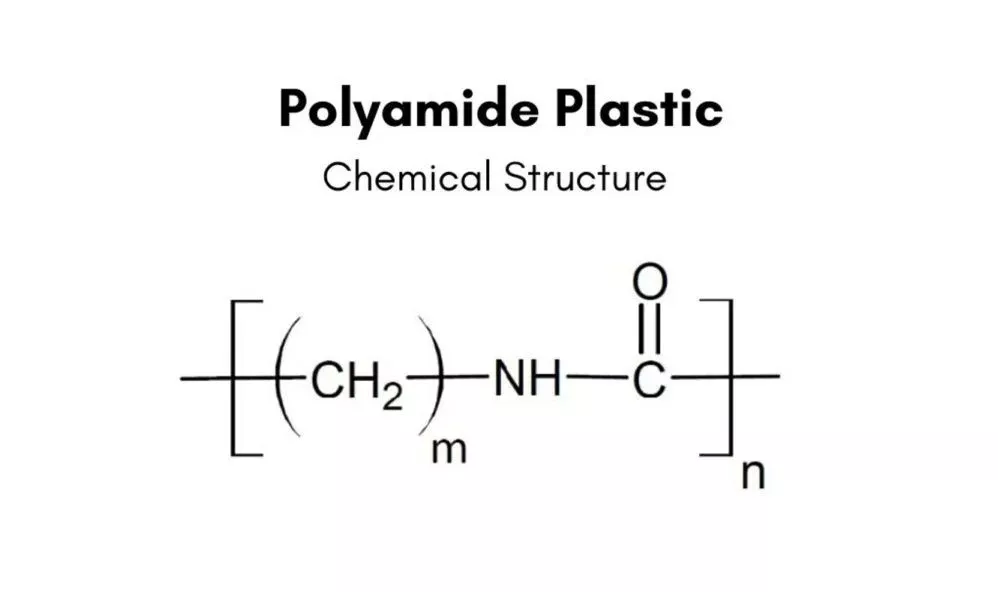
Polyamide is the name of a large family of synthetic polymers. These materials are characterized by a specific chemical bond in their molecular structure called an “amide bond” (-CONH-). This strong, repeating bond is what gives these materials their renowned toughness and durability. Think of it as the shared last name for all members of the family.
What is Nylon?
Nylon is a specific type of polyamide. It was the very first commercially successful polyamide, invented by the company DuPont in the 1930s. Because it was the first, the name “nylon” became a household name, often used interchangeably with “polyamide,” even though it’s technically incorrect. It’s a bit like how people say “Kleenex” when they mean any facial tissue.
A Quick Guide to Common Polyamide Grades
The polyamide family has many members, each with its own unique personality. Here are a few of the most popular ones you’ll encounter:
- Nylon 6 (PA6): This is the all-rounder of the family. It's the most common and widely used polyamide, offering a great balance of strength, stiffness, and toughness. It’s often the go-to choice for a wide range of applications due to its good mechanical properties and relatively low cost.
- Nylon 66 (PA66): The tougher sibling. PA66 has a higher melting point and is generally stiffer and stronger than PA6. You’ll find it in applications that require a bit more heat and strength, like high-performance gears.
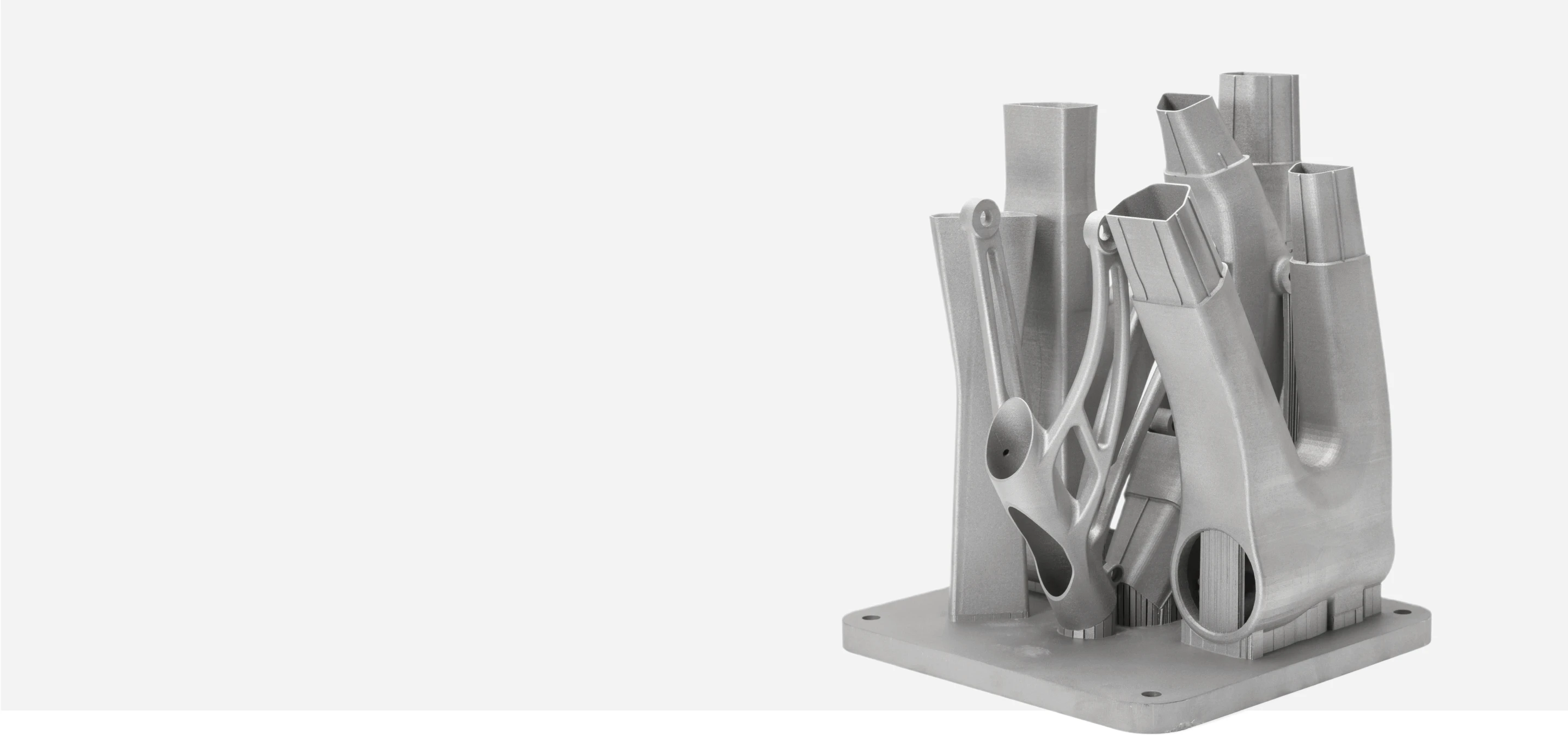
- Nylon 11 (PA11) and Nylon 12 (PA12): The low-moisture heroes. These polyamides are prized for their very low moisture absorption. They are more flexible than PA6 and PA66 and are excellent for parts that need to maintain their shape and size precisely, even in humid environments. Because of their excellent properties, PA11 and PA12 are favorites for selective laser sintering SLS 3D printing.
Key Material Properties
Now that we have the names straight, let’s look at what makes these materials so useful. While their exact properties vary by type, there are some common characteristics.
Mechanical Properties
These are about strength and durability. Polyamides and nylons are renowned for their toughness, strength, and flexibility.
- Tensile Strength & Elongation: This measures how much a material can stretch and resist breaking under tension. Materials like Nylon 66 (PA66) have a high tensile strength, making them great for things that need to be rigid and strong.
- Impact Resistance: This is a measure of a material’s toughness—its ability to absorb a sudden hit without shattering. Polyamides are generally very good at this, which is why they’re used for things like power tool casings.
- Density: Polyamides are relatively low-density materials, which makes them a popular choice for applications where weight savings are critical, such as in the automotive and aerospace industries.
Chemical Properties
- Heat Resistance: Polyamides have excellent thermal stability, meaning they can handle higher temperatures than many other plastics without deforming. This is why you’ll find them in automotive parts near the engine.
- Chemical Resistance: They also have good resistance to many chemicals, including oils, fuels, and common cleaning agents.
- Flammability and UV Resistance: Many polyamides can be made flame-retardant through additives. They are also generally susceptible to degradation from prolonged exposure to UV light, which can be mitigated with specific stabilizers for outdoor use.
Moisture Absorption
This is a crucial property to consider. Polyamides, particularly the common grades like Nylon 6 (PA6), tend to absorb moisture from the air. This can cause the material to swell, leading to dimensional changes and a slight loss of stiffness. On the flip side, this moisture absorption can actually increase its toughness and flexibility. For precision 3D printed parts, this is a key factor to manage.
Get an instant quote from Xmake by uploading your design file today, and enjoy fast, reliable delivery with our expert manufacturing services.
Start a QuoteApplications of Polyamide and Nylon
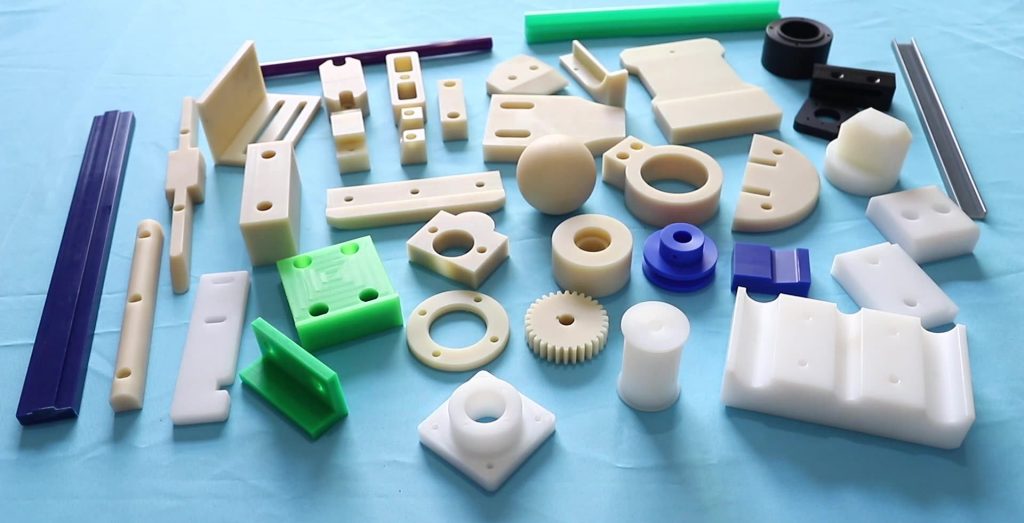
From the clothes you wear to the car you drive, polyamides are everywhere.
- Textiles and Fabrics: Polyamide, especially in the form of nylon, is widely used in the textile industry for producing clothing, carpets, and industrial fabrics. Its resilience, elasticity, and ability to resist wear and tear make it ideal for products like activewear, stockings, and seat covers.
- Automotive Parts: The automotive industry loves polyamides for their strength, low weight, and resistance to heat and chemicals. They’re used for everything from engine covers and air intake manifolds to cable ties and gears.
- Consumer Goods & Industrial Parts: Look around and you’ll spot polyamides in countless items. Power tool housings, toothbrush bristles, bearings, and even some types of sports equipment rely on the durability and versatility of these materials.
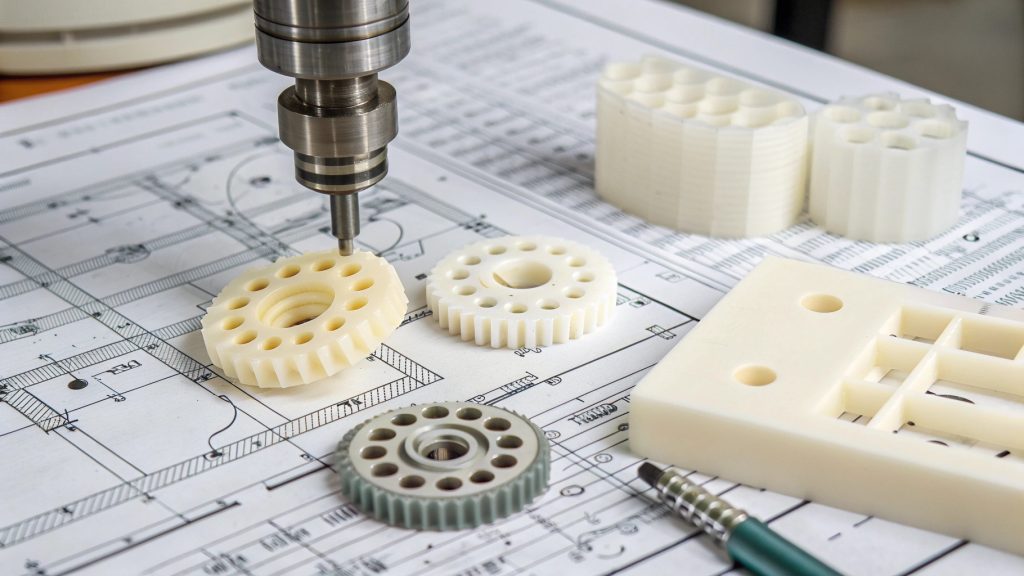
- CNC Machining: In the field of machining, polyamide-based materials are often used for creating durable, high-precision parts, such as gears and bushings. Their ability to withstand friction and wear makes them ideal for applications requiring long-term performance.
- 3D Printing: Polyamide filaments, particularly in the form of nylon, are used in 3D printing due to their excellent durability, flexibility, and ease of processing. They are ideal for creating strong, functional prototypes, tools, and end-use parts.
- Electrical Insulation: Polyamide is used as an insulating material for electrical cables and components, owing to its resistance to heat and its dielectric properties.
- Coatings and Films: Nylon is often used in the form of coatings or films to enhance the properties of other materials. It is applied as a protective layer on surfaces to provide abrasion resistance and durability in a variety of industries
Choosing the Right Polyamide
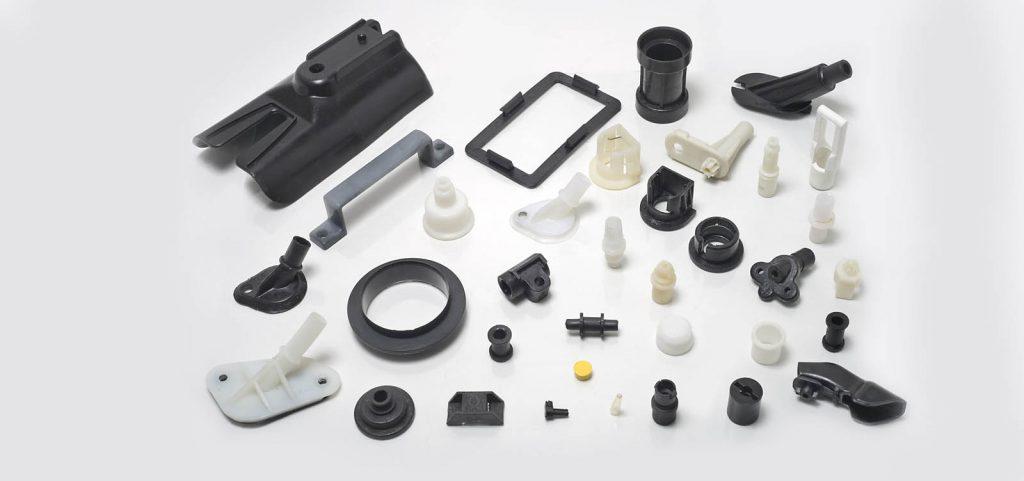
Choosing the right polyamide comes down to balancing properties, cost, and the specific needs of your project.
Functional Requirements
This is the most critical step. The performance of a polyamide part is heavily dependent on the environment it will operate in.
The choice of polyamide depends on the specific performance needs of the part. For parts exposed to high temperatures or chemicals, PA66 is ideal due to its thermal and chemical resistance. If impact resistance is key, like for protective casings, PA6 is a strong option due to its toughness. For parts with tight tolerances in humid conditions, PA12, which absorbs less moisture, is the better choice despite its higher cost.
Cost vs. Performance
The cost of polyamides varies significantly by grade and is directly tied to their performance characteristics.
- PA6 is the most widely produced and, therefore, the most cost-effective option. It offers a fantastic balance of properties for most general-purpose applications.
- PA66 is slightly more expensive due to its different chemical structure, which provides a higher melting point and superior stiffness. You pay a bit more for that extra thermal and mechanical performance.
- PA11 and PA12 are significantly more expensive. This is because their manufacturing processes are more complex and their production volumes are lower. You are paying a premium for their very specific, high-performance characteristics like low moisture absorption, flexibility, and dimensional stability, which are invaluable for demanding applications like SLS 3D printing.
Processing Methods
Polyamides are versatile and can be processed by a variety of methods. The material you choose might influence the best way to produce your part. Here are some common methods for processing polyamide or nylon:
- Additive Manufacturing: Materials like nylon and polyamide are highly compatible with 3D printing technologies, especially in filament form. Their ability to be processed into complex geometries with minimal waste and high precision makes them ideal for prototyping, tooling, and custom parts. The material's thermal stability and ease of melting and extrusion are key factors in their suitability for 3D printing.
- Injection Molding: Both polyamide and nylon are widely used in injection molding due to their excellent flow properties when heated, which allows them to fill molds effectively. These materials can produce high-precision parts with complex shapes, making them ideal for mass production of components like automotive parts, medical devices, and consumer goods. The material's ability to withstand high temperatures during the molding process is a critical factor in their selection.
- Casting: Polyamide, especially in its liquid or resin form, is sometimes cast into molds to create components that require intricate designs or are made in low quantities. The process is useful for producing parts with complex internal geometries that would be challenging to create using traditional molding techniques.
- Extrusion: Polyamide and nylon are often processed through extrusion to create continuous shapes, such as films, fibers, and rods. Their ability to be uniformly melted and shaped into long forms with consistent properties makes them suitable for use in a variety of products, from textiles to industrial components.
Polyamide vs. Nylon Overview
| Material Type | Key Characteristics | Common Applications |
| Polyamide (Family) | A large family of synthetic polymers. | All applications listed below. |
| Nylon (Member) | A specific type of polyamide; the first commercially successful one. | Fabrics, ropes, sportswear, carpets. |
| Nylon 6 (PA6) | Good balance of strength, stiffness, and toughness. | Gears, bearings, textile fibers, appliance parts. |
| Nylon 66 (PA66) | Higher stiffness, strength, and melting point than PA6. | High-performance gears, bearings, automotive parts, zipper teeth. |
| Nylon 11 & 12 (PA11/PA12) | Low moisture absorption, excellent dimensional stability, flexible. | Flexible tubes, medical devices, gaskets, end-use parts from 3D printing. |
Conclusion
To wrap it up, polyamide and nylon may be different names for similar materials, but they each bring unique strengths to the table. From their toughness and flexibility to their ability to withstand high temperatures, chemicals, and impacts, these versatile materials shine in everything from everyday textiles to precision-engineered parts.
Whether it’s crafting durable fabrics, molding automotive components, or printing complex 3D prototypes, choosing the right polyamide or nylon ensures the end product meets both functional demands and environmental challenges. Their adaptability makes them indispensable in so many industries, proving that these materials truly punch above their weight.
Frequently Asked Questions
1. Is polyamide a plastic?
Yes, it is. Polyamides are a class of thermoplastics, which means they can be melted and reshaped without significant chemical degradation.
2. Is polyamide or nylon more breathable?
Generally, neither polyamide nor nylon is considered highly breathable on its own. They are synthetic polymers and tend to be non-porous. However, their breathability depends almost entirely on how the material is manufactured into a final product. For textiles, a loose knit or weave can create air pockets that allow for some air circulation. It’s more accurate to say these materials are excellent at moisture-wicking, meaning they pull sweat away from the skin, which is why they are so popular in sportswear.
3. Is nylon recyclable?
Yes, most types of nylon are recyclable. However, the process can be more complex than for other plastics, and it’s important to have the right facilities to handle it. Recycled nylon is often used in products like carpets, apparel, and certain engineering components.
4. What's the difference between nylon and polyester?
While both are synthetic polymers, they belong to different chemical families. Polyester is more resistant to UV light and moisture absorption, making it a common choice for outdoor fabrics. Nylon is generally stronger and more elastic, which is why it’s great for things like ropes and sportswear.
5. Is nylon good for skin?
Nylon is generally considered safe and non-irritating for the skin, and it’s used in many everyday garments. However, because it’s non-porous and can trap heat and moisture, it may not be the most comfortable choice in hot, humid conditions or for those with sensitive skin. For this reason, it’s often blended with other fibers to improve comfort and breathability.