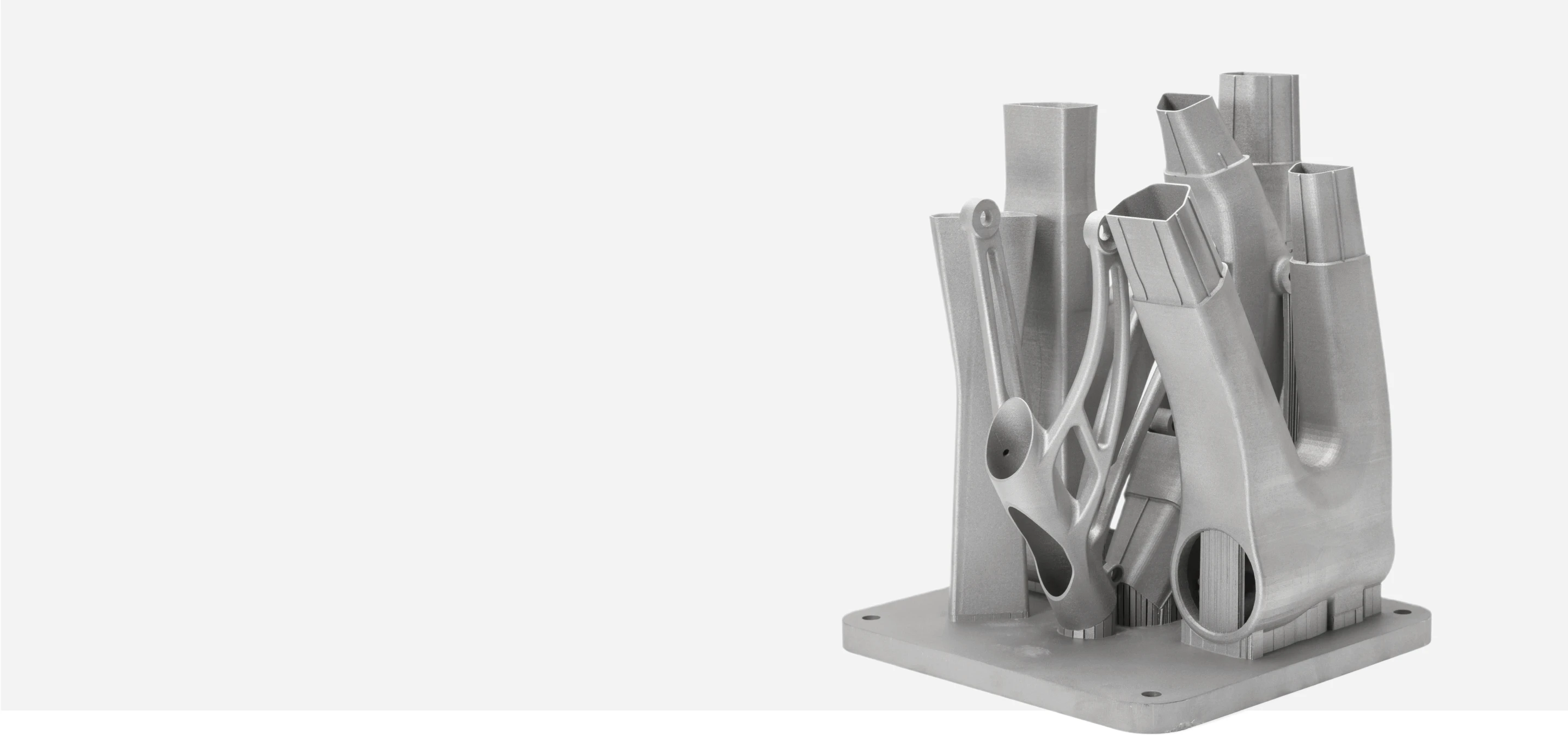
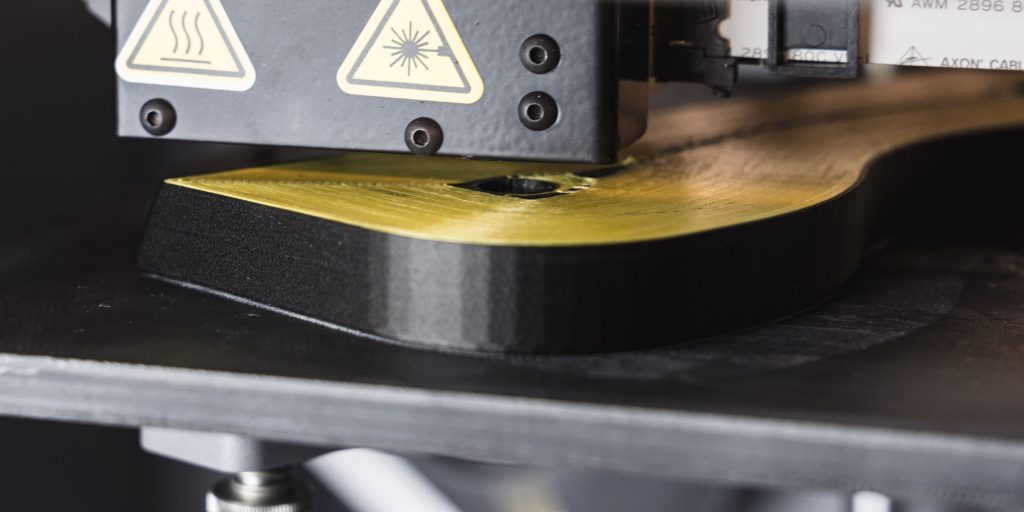
Kevlar 3D printing filament has gained increasing attention in engineering and industrial circles as demand grows for lightweight, high-strength components produced through additive manufacturing. Known for its use in high-performance applications such as aerospace structures and protective equipment, Kevlar's integration into 3D printing introduces new possibilities for producing durable, impact-resistant parts with complex geometries.
However, unlike conventional thermoplastic filaments, Kevlar-based materials present unique characteristics, advantages, and limitations that require careful understanding before adoption. This guide provides a comprehensive overview of Kevlar 3D printing filament, helping designers and engineers evaluate when and how it can be effectively used in real-world applications.
What Is Kevlar?
Kevlar is a high-performance aramid fiber originally developed to deliver exceptional strength while maintaining a relatively low weight. At a molecular level, its tightly bonded polymer chains create a highly ordered structure, allowing Kevlar to withstand significant tensile stress without deforming or breaking. This unique structure is the foundation of its reputation for being both strong and tough under demanding conditions.
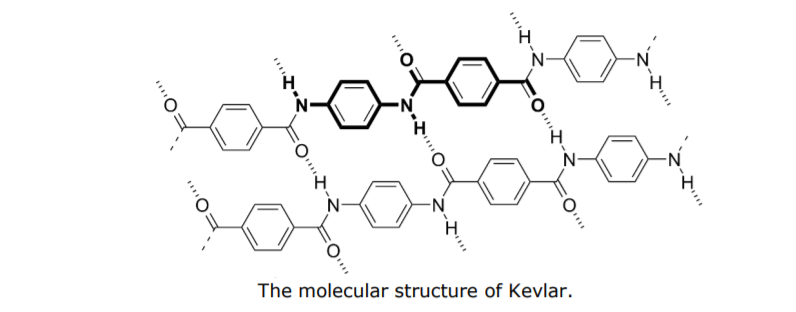
Kevlar is the brand name given to a synthetic aramid fiber developed by DuPont in the 1960s. The name itself does not describe a chemical formula or structure; instead, it was created as a distinct product name to identify this new class of high-strength fiber during its development. Kevlar was originally designed as a lightweight alternative to steel reinforcement at a time when industries such as aerospace and defense were seeking materials that could offer high strength without added weight. As its performance proved successful in real-world applications, the name "Kevlar" became widely recognized and is now commonly used to refer to aramid fiber materials in general, including those adapted for 3D printing composites.
What Is Kevlar 3D Printing Filament?
Kevlar 3D printing filament does not refer to pure Kevlar being melted and printed on its own. Instead, it describes a composite filament in which Kevlar fibers are embedded within a thermoplastic base material, most commonly nylon (polyamide). This structure allows the filament to retain the printability of conventional plastics while benefiting from the mechanical reinforcement provided by Kevlar fibers.
In most commercial products, Kevlar is used in the form of short, chopped fibers that are evenly distributed throughout the filament. During printing, these fibers help improve the part's toughness, impact resistance, and resistance to wear, without making the material excessively brittle. Compared to unreinforced plastics, Kevlar-reinforced filaments are better suited for functional parts that must endure repeated stress or mechanical loading.
Because Kevlar itself does not melt like standard thermoplastics, it cannot be 3D printed directly using common FDM or FFF processes. By combining Kevlar fibers with printable polymers, manufacturers are able to leverage Kevlar's performance advantages while maintaining compatibility with industrial and desktop 3D printers. As a result, Kevlar 3D printing filament is primarily positioned for engineering-grade applications, rather than decorative or hobby-level printing.
Key Properties of Kevlar Filament
Rather than excelling in a single metric, Kevlar filament offers a balanced combination of strength, toughness, and durability, making it suitable for functional and load-bearing applications.
High Strength-to-Weight Ratio
Kevlar filament provides significant mechanical strength without adding excessive weight to the printed part. The embedded Kevlar fibers reinforce the base polymer, allowing components to handle higher loads while remaining lightweight. This makes the material especially attractive for applications where weight reduction is critical, such as aerospace components and mobile mechanical systems.
Excellent Impact and Abrasion Resistance
One of the most notable advantages of Kevlar reinforcement is its ability to absorb impact energy. Kevlar fibers help prevent crack propagation within printed parts, reducing the likelihood of sudden failure under shock or repeated mechanical stress. At the same time, Kevlar filament offers improved abrasion resistance, extending the service life of parts exposed to friction or moving contact.
High Toughness
Unlike carbon fiber–reinforced filaments, which prioritize stiffness, Kevlar filament emphasizes toughness and flexibility. This results in parts that are less brittle and more resistant to chipping or fracturing under load. For applications involving vibration, bending, or repeated impacts, Kevlar filament often delivers more reliable performance.
Thermal Stability
Kevlar-reinforced filaments maintain their structural integrity across a relatively wide temperature range. While the base polymer ultimately defines the filament's heat resistance, Kevlar fibers help limit deformation and dimensional changes during operation. This contributes to more consistent part performance in demanding thermal environments.
Good Chemical and Fatigue Resistance
Kevlar filament exhibits strong resistance to fatigue, allowing printed parts to withstand repeated loading cycles over time. In addition, it performs well in the presence of many chemicals, oils, and solvents, depending on the base material used. These characteristics make Kevlar-reinforced filaments suitable for industrial settings where long-term reliability is essential.
Kevlar Filament Benefits
Kevlar-reinforced filaments are primarily chosen for functional and engineering applications where durability and toughness matter more than surface appearance. Compared with standard thermoplastics, they offer performance advantages that justify their use in demanding environments.
- Lightweight reinforcement for functional parts
- High resistance to impact and sudden mechanical shock
- Reduced brittleness compared to carbon fiber–reinforced filaments
- Improved wear resistance for moving or contacting components
- Better vibration damping for mechanically stressed assemblies
- Suitable for end-use parts and not only visual prototypes
Kevlar Filament Limits
Despite its performance advantages, Kevlar filament is not a universal solution. Its composite nature introduces certain trade-offs that should be considered during material selection and design planning.
- More difficult to print than standard thermoplastics
- Requires hardened or wear-resistant nozzles
- Limited surface finish quality compared to unfilled plastics
- Higher material cost than common filaments
- Mechanical strength depends on print orientation
- Not ideal for fine-detail or decorative models
Applications of Kevlar 3D Printing
Kevlar-reinforced filaments are primarily used in industries where strength, durability, and weight savings are critical. Their ability to produce functional, load-bearing components with complex geometries has opened up new possibilities across multiple fields.
Aerospace Components
Kevlar filament is ideal for lightweight structural parts, brackets, and protective housings in drones and small aircraft. Its high strength-to-weight ratio helps reduce overall weight while maintaining impact resistance, making it suitable for propeller guards, airframe reinforcements, and sensor mounts.
Automotive Parts
In automotive applications, Kevlar-reinforced filaments are used for custom brackets, housings, and interior components that require toughness and wear resistance. Racing teams and aftermarket engineers often use it for lightweight panels, protective covers, and functional prototypes that must endure repeated mechanical stress.
Robotics
Kevlar filament is frequently used to print durable end-effectors, grippers, and fixtures in robotics. Its combination of toughness and abrasion resistance ensures parts can withstand repeated motion and high-contact surfaces, extending tool life in assembly lines or experimental setups.
Enclosures
Kevlar's natural impact resistance makes it a strong candidate for producing protective housings, casings, and guards for electronic devices, sensors, and small machinery. Components like reinforced panels and shock-absorbing covers benefit from Kevlar's durability while remaining lightweight.
Custom Jigs, Fixtures, and Functional Prototypes
Engineers and designers often leverage Kevlar filament to create specialized jigs, fixtures, and prototype components that need to endure repeated handling or mechanical loading. Its reinforcement properties allow these parts to perform reliably during testing and small-scale production runs.
About Xmake's 3D Printing Services
Xmake offers professional 3D printing services for Kevlar-reinforced and other engineering-grade filaments. Simply upload your design CNC files, receive an instant quote, and start production, allowing you to quickly turn complex, high-performance parts from concept to reality without worrying about material handling or printer limitations.
Get an instant quote from Xmake by uploading your design file today, and enjoy fast, reliable delivery with our expert manufacturing services.
Start a QuoteConclusion
Kevlar 3D printing filament provides a unique combination of strength, toughness, and lightweight performance, making it a valuable option for functional parts across aerospace, automotive, robotics, and protective equipment applications. While it requires careful handling and specialized printing considerations, its benefits in durability and impact resistance make it an excellent choice for engineering-focused 3D printing projects.
Frequently Asked Questions
Can Kevlar be 3D printed directly?
No, pure Kevlar fibers cannot be melted and printed directly. 3D printing requires Kevlar to be embedded in a thermoplastic filament such as nylon, which allows for FDM/FFF printing while maintaining reinforcement properties.
What filament contains Kevlar fiber?
Kevlar fibers are commonly integrated into nylon-based filaments, such as PA6 or PA12, and sometimes PETG. These composite filaments leverage Kevlar for toughness and impact resistance.
Is Kevlar filament stronger than carbon fiber filament?
Kevlar filament is generally tougher and less brittle than carbon fiber filament, but it is less stiff. The choice depends on whether flexibility and impact resistance or high stiffness and rigidity are prioritized.
Is Kevlar filament expensive?
Yes, Kevlar-reinforced filaments typically cost more than standard thermoplastics and even many carbon fiber filaments, due to the specialized fibers and manufacturing process.
What industries use Kevlar 3D printed parts?
Common industries include aerospace, automotive, motorsports, robotics, industrial tooling, and protective equipment, where functional, durable, and lightweight components are required.