Polyvinyl chloride (PVC), commonly referred to as vinyl, is one of the most widely used plastics in industrial and consumer applications. In recent years, PVC filament has also appeared in the 3D printing space as a niche material, attracting attention for its durability, chemical resistance, and unique material characteristics.
However, unlike mainstream filaments, PVC comes with specific processing and safety considerations that make it less straightforward to use. This guide provides a clear, practical overview of PVC filament for 3D printing, covering its properties, advantages, limitations, and suitability for real-world applications.
What Is PVC Filament (Vinyl)?

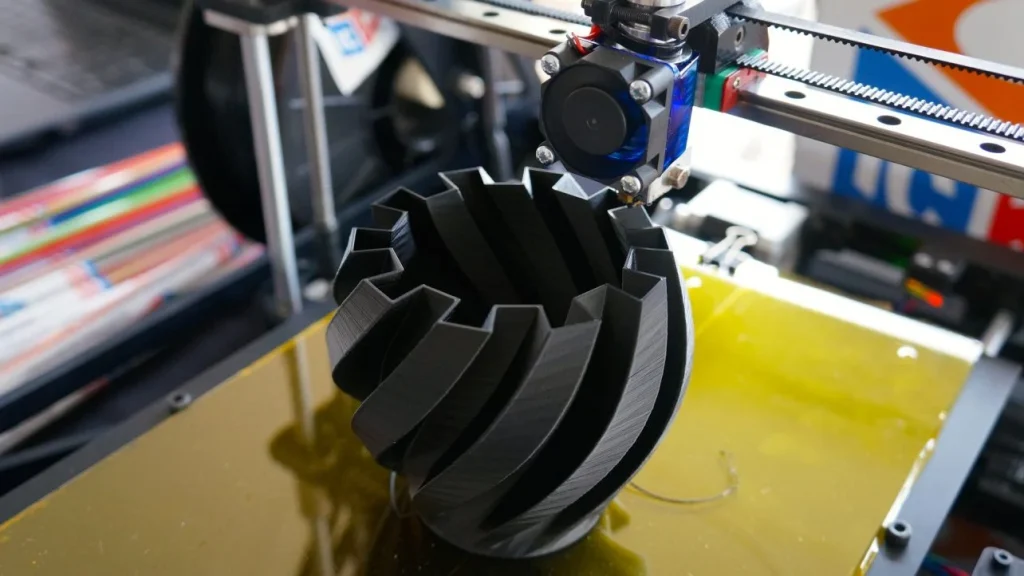
PVC filament is a 3D printing material made from polyvinyl chloride, a thermoplastic polymer widely used in pipes, cable insulation, flooring, and various industrial products. In the context of 3D printing, PVC filament is supplied in spool form and processed through standard extrusion-based printers, where it is heated and deposited layer by layer to form a finished part.
The term vinyl is often used interchangeably with PVC, especially in consumer and commercial settings. Technically, vinyl refers to materials derived from vinyl chloride monomers, with PVC being the most common and commercially significant example. As a result, "PVC filament" and "vinyl filament" generally describe the same type of 3D printing material.
Compared to more common filaments such as PLA or PETG, PVC filament is less widely adopted. This is mainly due to its higher processing complexity and the need for careful temperature control and ventilation during printing. That said, PVC offers a distinct combination of toughness, chemical resistance, and long-term durability, which makes it suitable for certain functional and industrial-oriented applications when handled correctly.
Key Properties of PVC Filament
PVC filament is defined not only by its chemical composition, but also by how it behaves during printing and in real-world use.
Mechanical Strength
PVC filament offers a balanced combination of strength and flexibility. Printed parts are generally tougher than PLA and less brittle under impact, allowing them to withstand repeated mechanical stress without cracking easily. Depending on the formulation, PVC can range from rigid to slightly flexible, which makes it suitable for functional components rather than purely decorative prints.
Thermal Behavior
PVC has a relatively narrow processing temperature window compared to common filaments. It softens and flows at moderate printing temperatures but can degrade if overheated, leading to discoloration and material breakdown. Printed parts also have moderate heat resistance, making them suitable for room-temperature or mildly elevated environments, but not for high-heat applications.
Chemical Resistance
One of PVC's defining characteristics is its strong resistance to chemicals. It performs well when exposed to oils, acids, alkalis, and many cleaning agents, which is why PVC is widely used in industrial environments. This property carries over to 3D printed parts, making PVC filament a viable option for components that may come into contact with harsh substances.
Surface Finish
PVC filament typically produces parts with a smooth, slightly glossy surface finish. Layer lines are visible but can be reduced with proper print settings. The material also responds well to post-processing methods such as sanding or chemical smoothing, allowing for improved aesthetics when required.
PVC Filament Benefits
PVC filament offers several material advantages that can be valuable in specific 3D printing scenarios, particularly where durability and resistance to external factors are important.
- Good impact resistance compared to brittle filaments
- Strong resistance to chemicals, oils, and cleaning agents
- Durable performance in long-term and outdoor-adjacent use
- Smooth surface finish suitable for functional parts
- Familiar material properties for users with industrial plastics experience
PVC Filament Limits
Despite its strengths, PVC filament also presents notable limitations that restrict its broader adoption in consumer and desktop 3D printing environments.
- Narrow and sensitive printing temperature range
- Risk of material degradation if overheated
- Emission of potentially harmful fumes during printing
- Requirement for proper ventilation and controlled environments
- Limited availability and fewer optimized printer profiles
How PVC Filament Compares to Other Plastic Materials?
PVC filament is often evaluated against more commonly used 3D printing plastics. While it shares some functional similarities with mainstream materials, its printing behavior and practical use differ in important ways.
PVC vs PLA
PLA is known for its ease of printing and low-temperature processing, while PVC requires tighter temperature control and proper ventilation. PVC offers better chemical resistance and durability than PLA, but PLA remains the preferred choice for beginners due to its stability and safety during printing.
PVC vs ABS
Both PVC and ABS are used for functional parts, but ABS is generally more forgiving in desktop printing environments. PVC provides superior resistance to chemicals, whereas ABS offers better heat resistance and wider printer compatibility. Safety considerations are more pronounced with PVC due to its emissions when overheated.
PVC vs PETG
PETG sits between PLA and ABS in terms of strength and printability. Compared to PETG, PVC delivers stronger chemical resistance but is more demanding to process. PETG is typically favored for applications requiring a balance of durability, ease of printing, and minimal safety concerns.
Get an instant quote from Xmake by uploading your design file today, and enjoy fast, reliable delivery with our expert manufacturing services.
Start a QuoteApplications of PVC Filament
For most prints, safer choices deliver similar results. PETG handles moisture and impact well; ASA brings UV resistance; PC adds heat and toughness—with fewer emission concerns than PVC.
Industrial Components
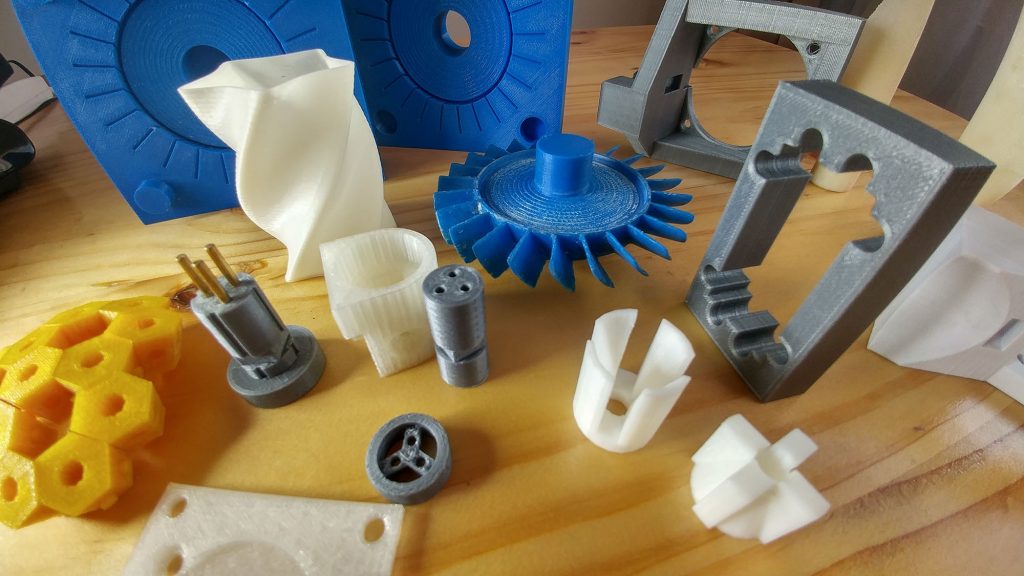
PVC filament is occasionally used to produce parts that require resistance to chemicals, oils, and cleaning agents. Common examples include small fluid guides, protective covers, brackets, and housings used in controlled industrial environments. Its chemical stability makes it suitable for non-load-bearing components exposed to corrosive substances.
Electrical and Insulation-Related Parts
Due to its inherent electrical insulation properties, PVC filament can be applied to low-voltage electrical enclosures, cable clips, wire guides, and protective sleeves. These parts benefit from PVC's durability and resistance to environmental exposure, provided printing is carried out with proper safety measures.
Functional Prototyping
In prototyping scenarios where parts must simulate exposure to chemicals or repeated handling, PVC filament can be used to validate form, fit, and basic function. Typical applications include prototype casings, test fixtures, and custom adapters designed for industrial workflows rather than end-user products.
Custom Utility Parts
PVC filament is also suitable for custom utility components such as guards, spacers, tool holders, and protective panels. These parts often prioritize durability and chemical resistance over aesthetics, making PVC a practical option when alternative materials do not meet environmental requirements.
Is PVC Filament Safe for 3D Printing?
PVC filament can release harmful fumes when heated, including hydrogen chloride and other volatile compounds. Because of this, it is not considered a beginner-friendly or casual-use filament. Safety precautions are essential to minimize exposure and protect both the user and the surrounding environment.
- Use proper ventilation – Always print PVC in a well-ventilated area or, ideally, within an enclosed printer equipped with an air filtration system.
- Avoid direct inhalation – Fumes released during printing can irritate the respiratory system; wearing a suitable mask can provide additional protection.
- Temperature control is critical – Overheating PVC can produce excessive fumes and discoloration. Follow manufacturer guidelines carefully.
- Material handling – Store PVC spools away from high heat and moisture to maintain stability.
- Environmental considerations – PVC is not biodegradable, so disposal of failed prints or waste material should follow local regulations for plastics.
Conclusion
PVC brings unique value, chemical resistance, flame behavior, and solvent welding, but it also brings risk. If you can't meet enclosure, filtration, and ventilation standards, choose alternatives. When PVC is justified, run conservative nozzle temperature and bed temperature, avoid dwell, and document controls. Treat PVC filament as a special‑case material, not a daily driver. If you manage multiple machines, standardize slicer profiles and maintenance checklists to keep a fleet predictable and safe.
With Xmake's 3D printing services, simply upload your design file to get an instant quote and fast, professional production of your custom parts.
FAQs About PVC Filament
Can PVC be used for 3D printing?
PVC can be used for 3D printing in controlled spaces. It requires careful temperature control, proper ventilation, and sometimes an enclosed printer to handle fumes safely. Use an enclosed printer with real filtration and strong ventilation. Run cooler profiles and avoid long dwell at heat. For general parts, PETG or ASA is simpler and safer.
Is PVC expensive for 3D printing?
Compared to common filaments like PLA or PETG, PVC filament is generally more expensive. This is due to its lower demand, specialized production requirements, and the need for careful handling during printing. Costs can also vary depending on the filament's formulation and supplier.
What type of PVC is used?
Most printing use cases target rigid PVC (uPVC) for stiffness and solvent welding. Some flexible or plasticized PVC blends exist, but are less common. Always read the SDS and vendor notes; formulations change print temps, emissions, and bonding behavior.
What is PPSU filament?
PPSU filament (polyphenylsulfone) is a high‑temperature, chemical‑resistant engineering plastic. It needs very hot nozzles, heated chambers, and advanced printers. Parts can be sterilized and used in demanding environments, but it's expensive and not beginner‑friendly.
Is PVC the same as Vinyl?
Vinyl is a broad term for materials derived from vinyl chloride monomers, and PVC (polyvinyl chloride) is the most common type of vinyl. In practical terms, "PVC filament" and "vinyl filament" are often used interchangeably in 3D printing contexts. However, some vinyl products may include additives or formulations different from standard PVC.