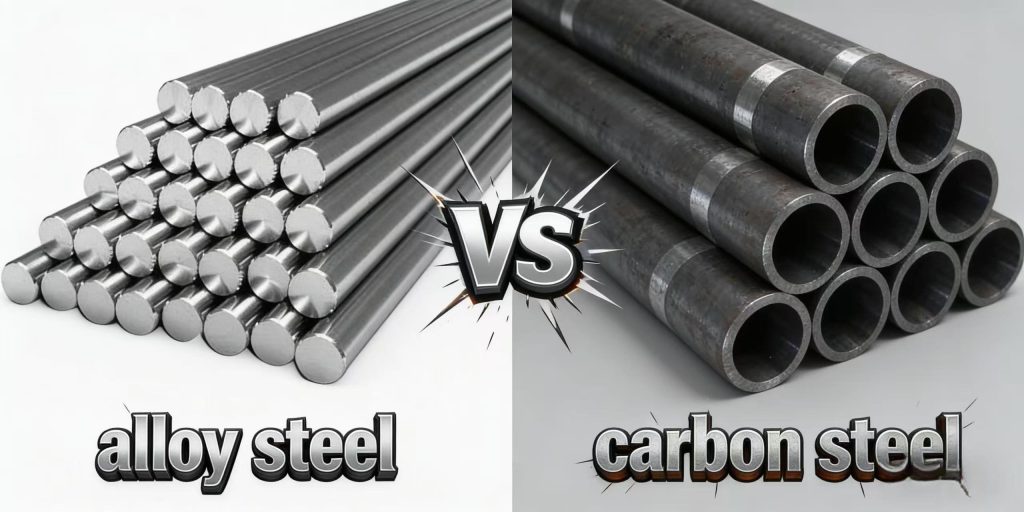
Introduction: Carbon steel and alloy steel share the same base — iron and carbon — but differ in their overall composition. Carbon steel contains little to no additional alloying elements, while alloy steel incorporates elements such as chromium, nickel, and molybdenum to enhance specific properties, including higher tensile strength and improved corrosion resistance.
These compositional differences directly influence performance factors such as strength, weldability, machinability, and cost. This guide provides a detailed comparison of the two materials and helps you select the most suitable option for your part.
Alloy Steel vs Carbon Steel: Quick Reference:
If you need the short version — here’s how the two materials compare across the five properties that matter most.
| Property | Alloy Steel | Carbon Steel |
|---|---|---|
|
Composition |
Iron, carbon + alloying elements (Cr, Ni, Mo, etc.) |
Iron and carbon, minimal other elements |
|
Corrosion Resistance |
Generally good — especially with chromium |
Poor — rusts without protective coating |
|
Hardness |
Varies by alloy; engineered to spec |
Increases directly with carbon content |
|
Weldability |
Complex — requires controlled preheat and filler selection |
High, especially low-carbon grades |
|
Cost |
Higher — alloying elements and processing add cost |
More affordable and widely available |
Simply put: for moderate loads and controlled environments—carbon steel; for high stress, harsh operating conditions, or unreliable coating maintenance—alloy steel.
What Is Alloy Steel?
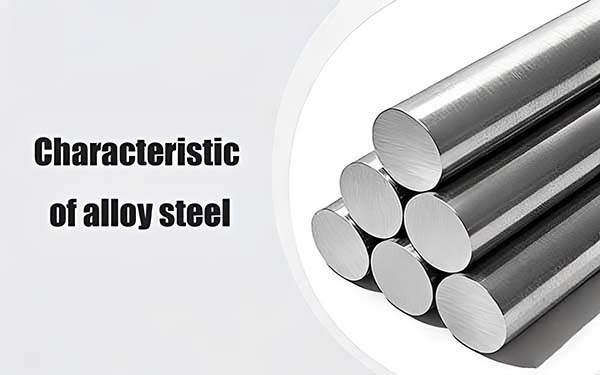
Alloy steel is steel with intentionally added elements beyond iron and carbon. Chromium, nickel, molybdenum, vanadium, and manganese are the most common additions — each targeting a specific property.
- Chromium — increases hardness and corrosion resistance
- Nickel — improves toughness without sacrificing ductility
- Molybdenum — raises heat resistance and strength at elevated temperatures
- Vanadium — refines grain structure and improves fatigue resistance
The result is steel engineered for a specific job. That’s the point — and that’s why it costs more.
Types of Alloy Steel
Alloy steel is generally classified according to the proportion of alloying elements it contains, falling into three main categories: low-alloy, medium-alloy, and high-alloy steels, with overall alloy content spanning from 1% up to 50% by weight. Each classification brings distinct characteristics suited to various grades and end uses.
The table below outlines the key differences among the main types of alloy steel, including their typical alloy content, properties, and common applications:
| Type | Alloy Content | Key Properties | Common Applications |
|---|---|---|---|
|
Low-Alloy Steel |
Low-Alloy Steel |
Good strength, cost-effective |
Structural components, rolled rings, studding outlets |
|
Medium-Alloy Steel |
5%–10% |
Balanced strength, toughness, hardness |
Pressure vessels, crankshafts, gears |
|
High-Alloy Steel |
10%–50% |
Exceptional corrosion resistance, high performance |
Aerospace parts, automotive, industrial machinery |
Simply put,Low-alloy steel is the workhorse — improved mechanical properties over plain carbon steel without a dramatic cost premium. Medium-alloy sits between cost and performance. High-alloy steel, including stainless at ~12% chromium, is where corrosion resistance and performance take priority over price.
Advantages and Limitations of Alloy Steel
Advantages:
- Higher tensile strength — up to 1882 MPa depending on grade and heat treatment
- Superior toughness and fatigue resistance under cyclic loading
- Better corrosion resistance, especially with chromium or nickel additions
- More consistent response to heat treatment
Limitations:
- Higher raw material cost due to alloying elements
- More complex to machine and weld — requires controlled processes
Where Alloy Steel Gets Used
Alloy steel shows up wherever loads are high, environments are harsh, or failure is not an option: aircraft structural components, ship propellers, mining equipment, railway parts, high-pressure vessels, and precision gears.
What Is Carbon Steel?
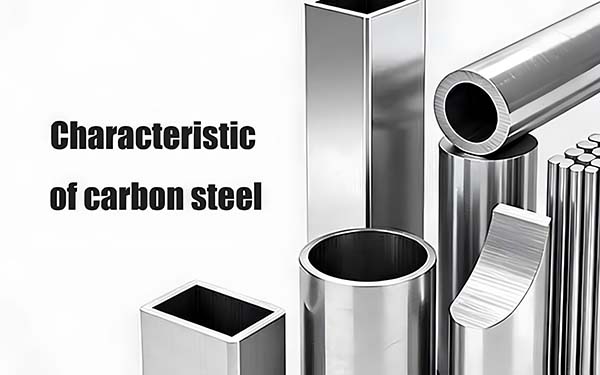
Carbon steel consists of iron and carbon, containing only trace amounts of other elements. Its carbon content ranges from 0.12% to 2%, and this specific range largely determines nearly all of the material’s performance characteristics.
The higher the carbon content, the harder and stronger the steel becomes; however, it also becomes more brittle and exhibits poorer weldability. Conversely, the lower the carbon content, the softer and more ductile the steel becomes; while this makes it easier to form and weld, it makes it difficult to achieve high hardness in the cutting edge.
Types of Carbon Steel
| Type | Carbon Content | Key Properties | Common Applications |
|---|---|---|---|
|
Low-Carbon (Mild) Steel |
< 0.25% |
Soft, ductile, excellent weldability |
Vehicle body panels, structural sections, sheet metal |
|
Medium-Carbon Steel |
0.25%–0.6% |
Balanced strength and ductility, heat-treatable |
Gears, shafts, railway track |
|
High-Carbon Steel |
0.6%–1.25% |
High hardness, excellent wear resistance, reduced ductility |
Cutting tools, springs, wire rope |
Advantages and Limitations of Carbon Steel
Advantages:
- Lower cost — simpler composition, widely available, easier to produce
- Good weldability, especially low-carbon grades
- Predictable mechanical properties across well-established grades
- Sufficient strength for the majority of structural and manufacturing applications
Limitations:
- Poor corrosion resistance — iron content makes it rust without a protective coating
- High-carbon grades become difficult to weld and prone to cracking
- Limited performance in elevated temperature or chemically aggressive environments
Where Carbon Steel Gets Used
Carbon steel handles structural work: building frames, bridges, pipes, pressure vessels, automobile body panels, machinery components, and shipbuilding. It’s the default material when budget matters and the environment is controlled.
Alloy Steel vs Carbon Steel: Key Differences
Chemical Composition
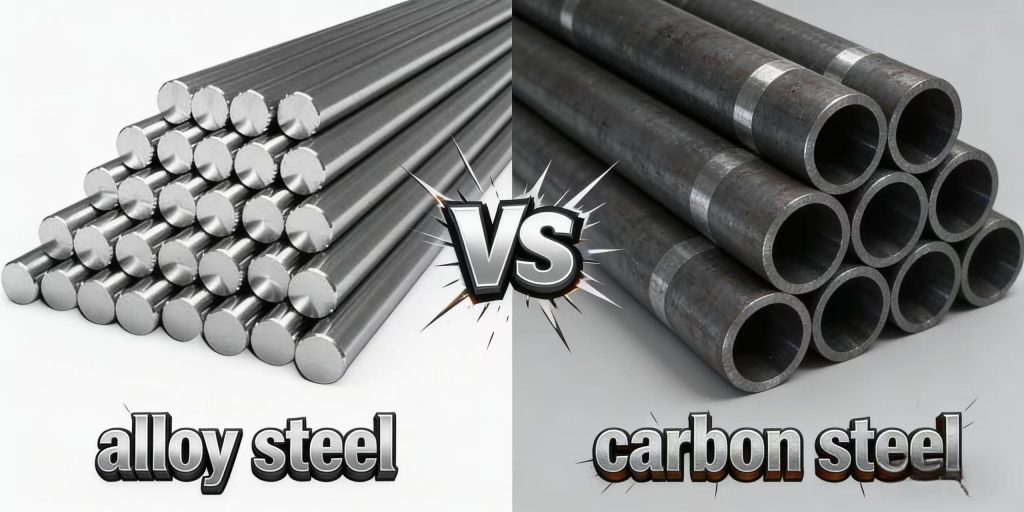
Carbon steel is iron plus carbon — nothing else intentionally added. Alloy steel adds chromium, nickel, molybdenum, or vanadium on top of that base, each targeting a specific property. The composition is engineered, not default.
Mechanical Properties
Carbon steel’s mechanical behavior is driven by carbon content alone. More carbon equals more hardness and strength — but at the cost of ductility and weldability.
Alloy steel offers more flexibility. Adding nickel increases toughness without reducing ductility. Adding molybdenum raises heat resistance. The result is a wider achievable property range — and better response to heat treatment.
Corrosion Resistance
Carbon steel rusts. That’s not a design flaw — it’s the tradeoff for low cost. In dry, controlled environments with protective coatings, it performs fine. Exposed to moisture, chemicals, or salt? You need alloy steel.
Stainless steel — a high-alloy grade with at least 12% chromium — forms a passive oxide layer that self-heals when scratched. Nickel and molybdenum additions extend that protection into harsh chemical and marine environments. For anything going outdoors, underwater, or into chemical service without reliable coating maintenance, alloy steel is the right call.
Cost
Carbon steel costs less at every stage — raw material, machining, and heat treatment. Alloy steel carries a premium that’s justified only when the application demands it.
How to Choose: Alloy Steel or Carbon Steel?
The operating environment and load conditions tell you. Not the industry, not the budget alone — the actual demands on the part.
Choose carbon steel when:
- Tolerances are ±0.1 mm or looser and strength demands are moderate
- The part operates in a dry, controlled environment
- Welding is extensive — low-carbon steel is the easiest to work with
- Budget is the primary constraint and failure is recoverable
Choose alloy steel when:
- Tensile strength above ~965 MPa is required
- The part faces moisture, chemicals, or outdoor exposure without guaranteed coating maintenance
- Operating temperatures exceed 300°C
- Fatigue life under cyclic loading is critical
- The cost of failure exceeds the cost of premium materia
How XMAKE Sources and Machines Both Materials
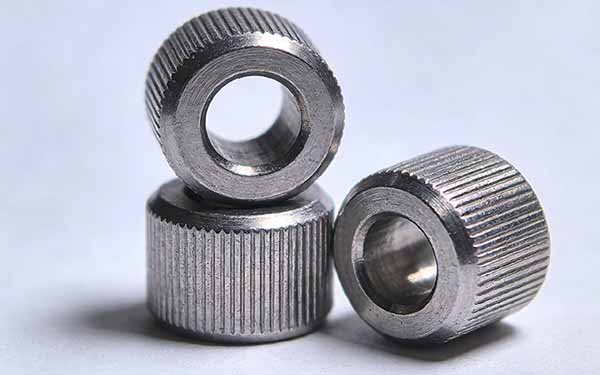
Both alloy steel and carbon steel are available across XMAKE’s CNC machining and manufacturing services. Material selection affects pricing, lead time, and process.
Carbon steel parts run faster and cost less. Alloy steel grades — particularly high-nickel and high-chromium grades — require slower cutting speeds, more frequent tool changes, and tighter process control. That feeds into both price and lead time.
Standard lead time for carbon steel CNC parts starts at 3–5 days. Alloy steel parts with heat treatment requirements typically run 5–10 days depending on grade and geometry.
In practice: upload your drawing with material specified. If you are unsure which material grade is best suited for your parts, please feel free to contact us; we will provide you with professional advice.
Conclusion
Carbon steel suits controlled environments with moderate loads — affordable, weldable, and sufficient for most structural work. Alloy steel adds targeted elements to reach higher strength, built-in corrosion resistance, and heat tolerance that carbon steel can’t match.
The choice follows the application. If the environment is harsh or the load is high, alloy steel justifies the premium. If it isn’t, carbon steel is the right call.
Frequently Asked Questions
Does alloy steel always outperform carbon steel?
No. Alloy steel outperforms carbon steel in specific conditions — high stress, corrosive environments, elevated temperatures. For general structural applications in controlled environments, carbon steel is sufficient and significantly cheaper.
What are the main disadvantages of carbon steel?
Corrosion resistance is the primary limitation. Without a protective coating, carbon steel rusts when exposed to moisture. High-carbon grades also sacrifice ductility and weldability — making them unsuitable for applications with impact loading or complex welding requirements.
Which industries typically require alloy steel?
Aerospace, oil and gas, chemical processing, marine, and high-performance automotive applications drive most alloy steel demand. Any environment with sustained mechanical stress, elevated temperatures, or corrosive exposure lands here.
Is alloy steel always more expensive than carbon steel?
Yes — alloy steel carries a cost premium due to alloying elements and more complex processing. The gap varies by grade. Low-alloy steel is closer in cost to carbon steel; high-alloy grades like stainless or tool steel carry significantly higher premiums.
Can carbon steel be used outdoors?
With proper coating — yes. Without reliable coating maintenance — no. Carbon steel rusts aggressively in wet outdoor environments. For parts where coating integrity can’t be guaranteed over the service life, alloy steel is the safer specification.