System upgrade reminder, Homepage update.
Xmake's waterjet cutting service support a wide range of materials, from soft materials to hard alloys, and from ultra-thin sheets to thick-walled profiles, while maintaining consistently high cutting quality. Whether you are in the product prototyping and development phase or the mass production stage, we can provide you with reliable support.





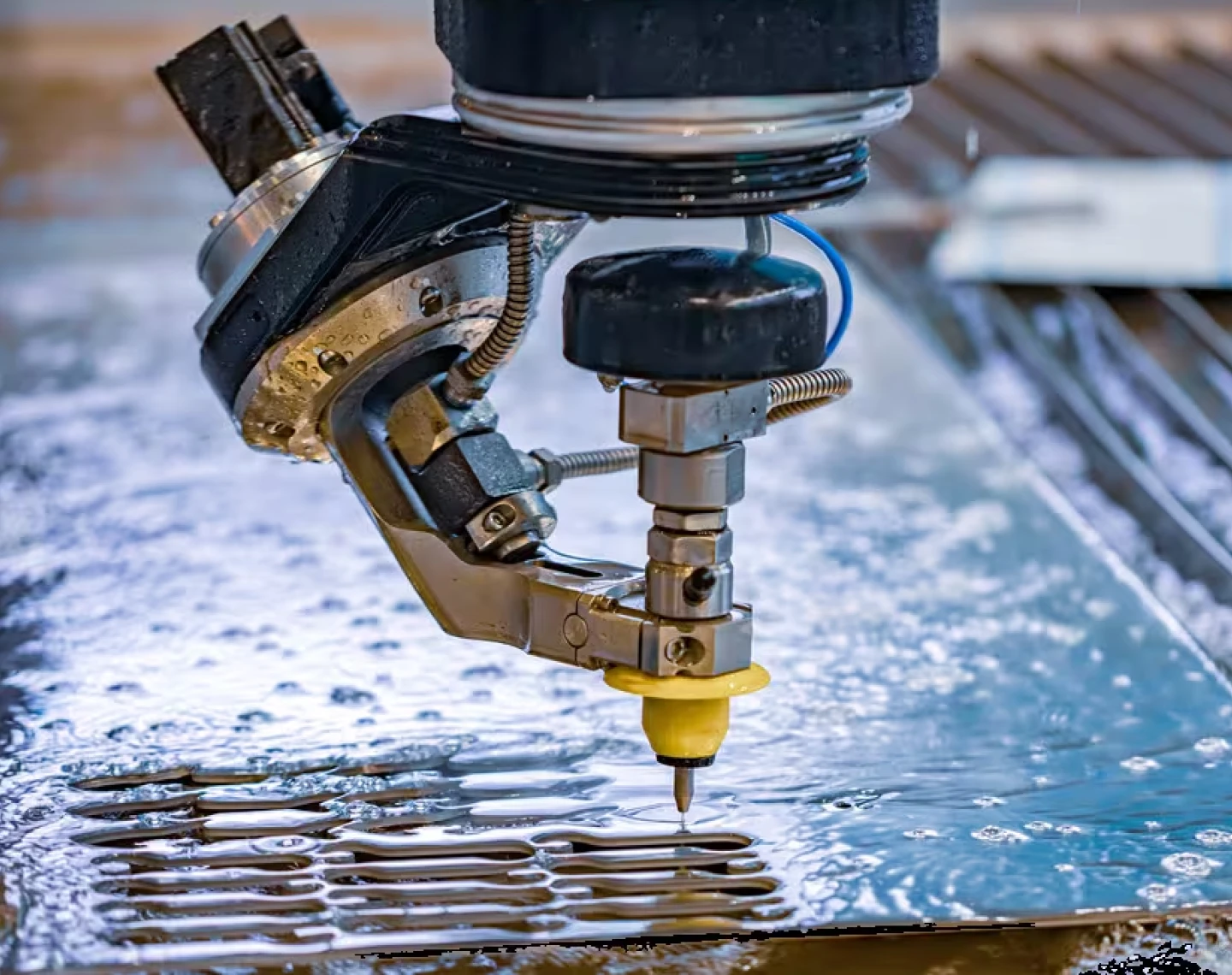
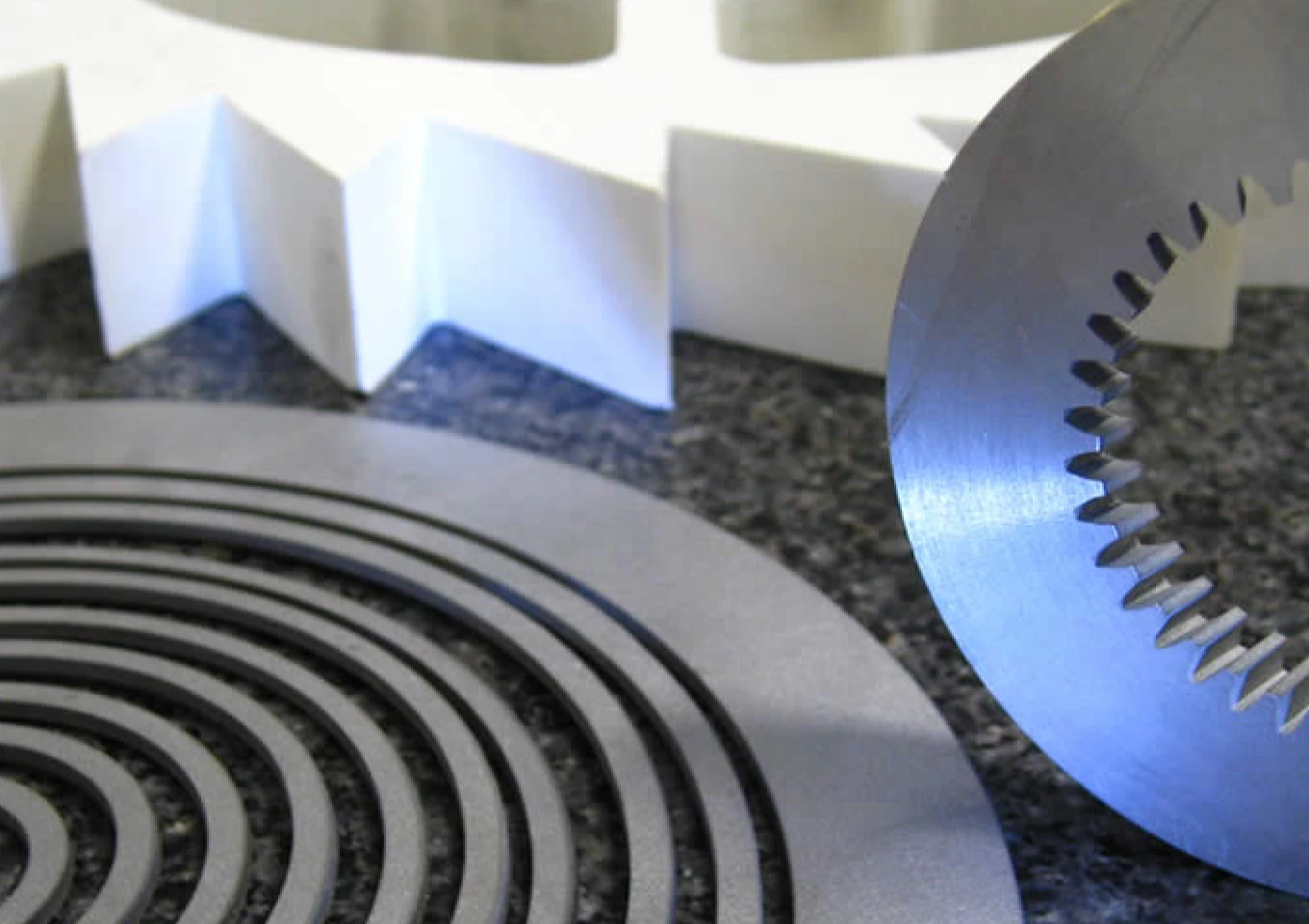
Waterjet cutting is a typical cold cutting process that uses high-pressure water flow to separate materials. Its key advantage is that no heat is involved, meaning no heat-affected zone (HAZ) is generated. This helps preserve the material's original properties, reduce deformation risk, and ensure dimensional stability and consistent cutting quality.
Thanks to this feature, waterjet cutting is suitable not only for metals but also for composites, stone, and other difficult-to-machine materials, while maintaining high edge quality. It is especially ideal for materials such as titanium alloys, composites, and stone, which are prone to oxidation, delamination, or cracking under heat. In comparison, laser cutting is more efficient for thin metal sheets and offers advantages in speed and precision. We also provide professional laser cutting services and can recommend the most suitable process based on your specific requirements.
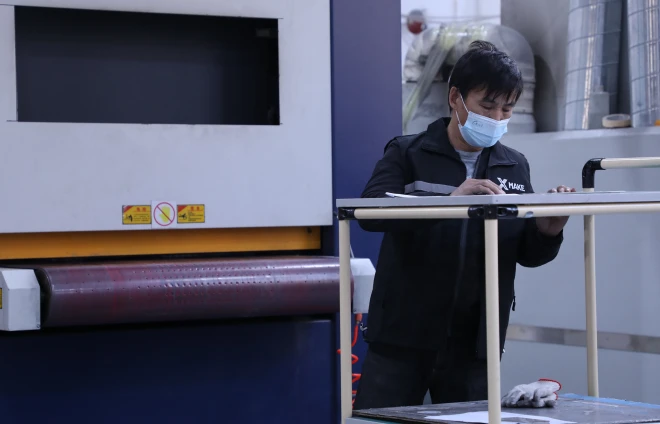
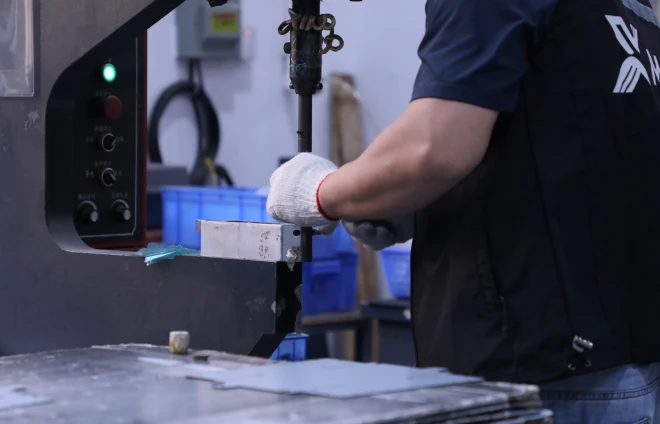
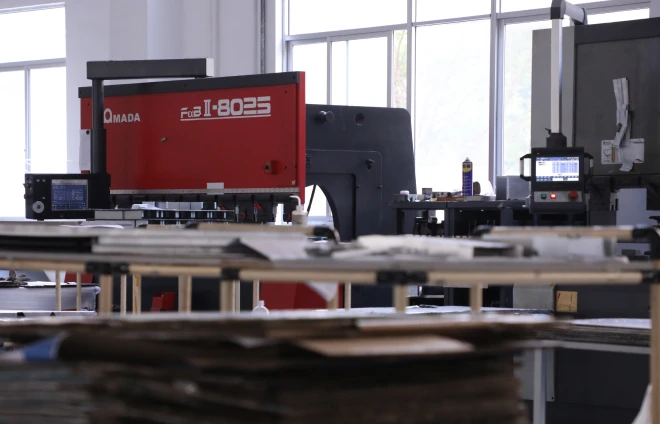
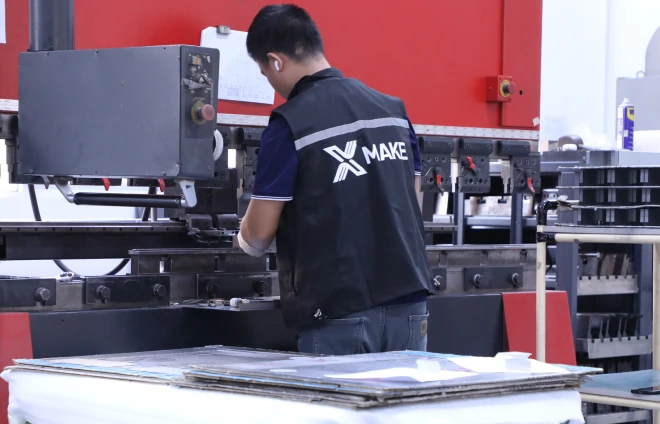
Xmake delivers high-quality waterjet cutting services through established supplier networks. Equipped with advanced cutting systems , we can perform stable and precise processing of a wide range of metal sheets—including aluminum, copper, and stainless steel—as well as various soft materials. Our engineers support your project from DFM review to final production, helping you reduce cost and avoid rework.
Ordering is simple—just upload your CAD file, select material and thickness, and receive a detailed quote within hours. No tooling is required, and cutting starts immediately after order confirmation. Our abrasive waterjet process ensures no thermal distortion, making it ideal for heat-sensitive materials.All parts are fully inspected before shipment. Standard lead time is 5–7 days, with rush options as fast as 5 days.Upload your file today and get a fast, no-obligation quote.
We offer various thicknesses of metal materials to support Waterjet Cutting services. If you require other materials, please feel free to contact us.
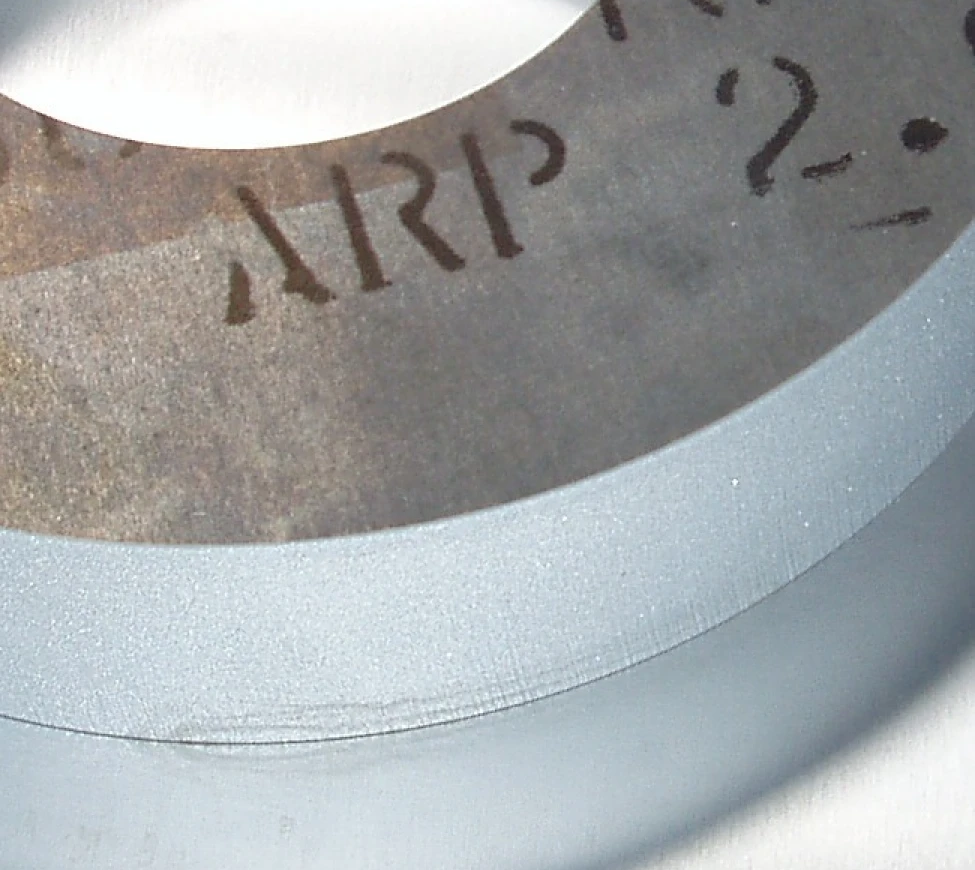
aluminium alloy
Aluminum alloys are lightweight and highly ductile, making them ideal for precision cutting. Waterjet processing delivers clean, burr-free edges with no thermal distortion, preserving material performance.
Grade
aluminium alloy
Aluminum alloys are lightweight and highly ductile, making them ideal for precision cutting. Waterjet processing delivers clean, burr-free edges with no thermal distortion, preserving material performance.
Grade
We adhere to international standards and industry specifications for waterjet cutting, ensuring precise and reliable dimensions for every part.
Maximum Part Size
3,000 mm × 2,000 mm
Material Thickness
0.5 mm – 200 mm (material dependent)
Positional Accuracy
± 0.1 mm (standard); ± 0.05 mm (precision mode)
Edge Roughness
Ra 1.6 – 3.2 μm (quality level dependent)
Kerf Width
Approximately 0.8 – 1.2 mm (abrasive waterjet)
Lead Time
5–7 days
Ready to start?
Why Xmake
Why Choose Xmake Waterjet Cutting Services
We have established a well-developed manufacturing partner network, enabling us to reliably deliver Waterjet Cutting services across different production volumes. we also operate 7 owned factories in China(15,000 square meters). By integrating CNC machining, laser cutting and multiple manufacturing processes, we offer a one-stop manufacturing service—from material cutting and processing to post-treatment services. We support diverse production capacity requirements, from small-batch trial production to large-scale manufacturing, ensuring efficient delivery while maintaining quality standards. Currently certified to ISO/QS/TS quality management systems, we guarantee that both our processing procedures and delivered components meet relevant quality specifications.
600+
Machines
120+
Countries/regions
ISO
9001:2015 certified
Trusted by 50,000+ companies


Laser cutting uses a high-energy beam to cut metal sheets. It enables complex shapes and both thin and thick materials.

Sheet metal bending uses external force to form metal sheets into different angles and shapes.

Stamping forms parts by applying pressure through dies, causing material deformation or separation to create the required components.

Welding joins two or more metal sheets into one through localized heating or pressure.

Riveting uses rivets to fasten sheet metal parts together, forming a strong connection.

Building A, Jinsheng Finance Building, No. 217 Nanhuan Road, Bao'an District.
MAKE DIRECT HOLDINGS LIMITED Unit 1111, 11/F, Hollywood Plaza, 610 Nathan Road, Mong Kok, Kowloon, Hong Kong